Blog


Voice over LTE (VoLTE) enables voice calls over LTE data networks, improving call setup, voice quality and service integration. Because VoLTE relies on the IP Multimedia Subsystem (IMS) and signaling protocols such as SIP, its security depends on more than traditional voice safeguards. Weak access controls, permissive traffic policies, routing errors or insufficient protection of subscriber information can expose services and network infrastructure.
VoLTE security testing helps telecom operators identify weaknesses before they are abused. A structured assessment reviews how network components communicate, whether security policies are enforced, and whether potential attack paths could affect service availability, subscriber privacy or network integrity. For operators, the goal is not simply to find technical issues; it is to understand their business impact and prioritize practical remediation.
VoLTE security testing is a controlled evaluation of the security controls supporting voice services over LTE. It examines relevant IMS components, signaling paths, interfaces, routing rules, access controls and configuration practices within an agreed scope.
A VoLTE security assessment may combine configuration reviews, network discovery, security testing and analysis of observed results. Depending on the environment and authorization, the scope may also include IMS security testing, SIP signaling checks, segmentation controls, filtering policies and protection of subscriber-related data.
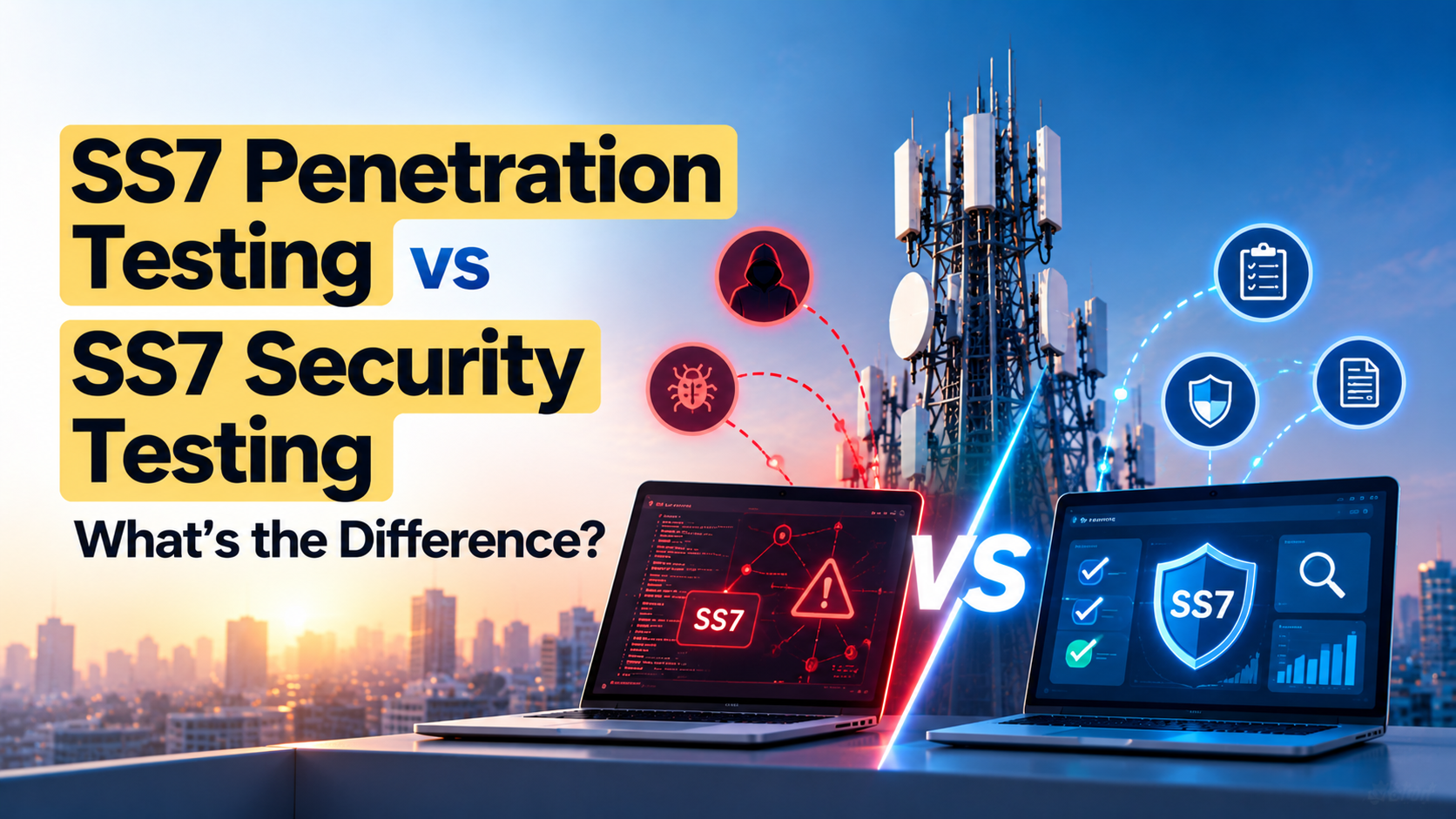
VoLTE penetration testing is a more test-driven activity that attempts to validate whether identified weaknesses can be exploited within approved boundaries. A broader telecom security assessment may cover additional network domains and services. The right scope depends on the operator's architecture, risk profile, business requirements and testing authorization.
VoLTE is part of a critical communications environment. A weakness in one interface or policy can have consequences beyond a single component, particularly where network elements, partners and vendors interact.
Key reasons to assess VoLTE security include:
Protect subscriber privacy: Review whether sensitive subscriber information is exposed through unnecessary access, weak policies or inappropriate data handling.
Strengthen signaling and traffic controls: Check whether signaling messages and network traffic are restricted to approved sources, destinations and expected use.
Reduce service-abuse risk: Identify weaknesses that could support unauthorized use, service disruption or manipulation of service behavior.
Improve configuration assurance: Validate that security settings, routing policies and interface restrictions align with the operator's intended design.
Support ongoing risk management: Establish a repeatable baseline for remediation, retesting and future security reviews.
An assessment should be risk-based. Findings need to be explained in terms of likelihood, potential impact and practical next steps, rather than presented as a list of technical observations alone.
A useful VoLTE network security testing scope is tailored to the operator's approved environment. Common areas to consider include:
1. Network discovery and exposed interfaces
Identify in-scope network components, reachable interfaces, trust boundaries and communication paths. Confirm that discovery remains within the agreed scope and does not disrupt live services.
2. IMS and SIP signaling security
Review relevant signaling flows, message handling, authentication assumptions and policy enforcement. IMS security testing should consider whether controls are consistently applied across the components and interfaces included in the assessment.
3. Routing, filtering and access policies
Assess whether traffic is permitted only where required. Review routing rules, filtering policies and restrictions on internal and external communications to identify overly broad permissions or unexpected paths.
4. Network segmentation and configuration
Evaluate whether critical components are appropriately separated and whether configuration settings support the intended security boundaries. A VoLTE security audit checklist can help make these checks repeatable.
5. Subscriber data protection and service integrity
Review the handling and exposure of relevant subscriber information, along with controls intended to protect service behavior and network integrity. Testing should avoid accessing or retaining unnecessary personal data.
6. Findings validation and reporting
Validate observations where safely possible, document evidence, rate risk consistently and provide prioritized remediation guidance. Retesting can confirm whether agreed fixes have addressed the reported weaknesses.
A clear methodology makes testing safer, repeatable and easier for stakeholders to act on.
Step 1: Define scope and rules of engagement
Agree on objectives, in-scope systems, exclusions, test windows, contacts, escalation procedures and permitted techniques. Confirm written authorization before testing begins.
Step 2: Information gathering
Collect approved architecture details, interface information, security policies and configuration documentation. Establish the business context and identify critical services or dependencies.
Step 3: Network discovery
Map reachable components and communication paths within scope. Compare observed exposure with the expected architecture and document any unexpected access paths for controlled review.
Step 4: Security testing
Evaluate the agreed controls, including routing restrictions, filtering, access policies, configuration, segmentation and relevant signaling protections. Testing should be proportionate to the environment and designed to minimize service impact.
Step 5: Analysis and reporting
Explain each finding, its evidence, potential impact, severity, affected assets and recommended remediation. Distinguish confirmed issues from observations that require additional validation.
Step 6: Remediation and retesting
Work with the responsible teams to prioritize fixes and retest the relevant controls. Record residual risks and identify improvements for the next assessment cycle.
This process supports a consistent VoLTE security testing methodology while allowing the technical depth to reflect each operator's environment.
Operators can improve the effectiveness of an assessment by preparing a current architecture overview, a list of in-scope IMS components and interfaces, relevant traffic and access policies, and available configuration documentation. Identify service owners, change-management contacts and escalation paths before testing.
A practical IMS security checklist should include scope approval, asset ownership, test windows, monitoring arrangements, backup or recovery considerations where appropriate, evidence-handling rules and a process for communicating critical findings. The checklist should be adapted to the operator's environment rather than treated as a universal compliance standard.
The output should help technical teams understand what to fix, while giving security and business stakeholders a concise view of risk, priority and remediation status.
When selecting a provider for VoLTE security assessment or telecom penetration testing, ask how the team scopes live telecom environments, handles service-continuity risks, documents evidence and prioritizes remediation. Confirm that the proposed work covers the relevant IMS components and interfaces, and that testing boundaries are explicit.
A useful deliverable should include an executive summary, scope and limitations, methodology, validated findings, risk ratings, remediation recommendations and retest outcomes where retesting is included. Operators should also confirm how sensitive configuration details and subscriber-related information will be protected during the engagement.
VoLTE security testing helps telecom operators evaluate the controls that protect IMS-based voice services, signaling paths, subscriber information and network infrastructure. By combining clear scoping, controlled discovery, focused security testing and actionable reporting, operators can identify weaknesses and make informed remediation decisions.
A well-planned VoLTE security assessment is not a one-time checkbox. It should fit into ongoing security assurance as networks change, interfaces evolve and new services are introduced. Matrix Shell can support telecom operators with a structured, standards-aware assessment approach tailored to the agreed environment and business risks.