Blog
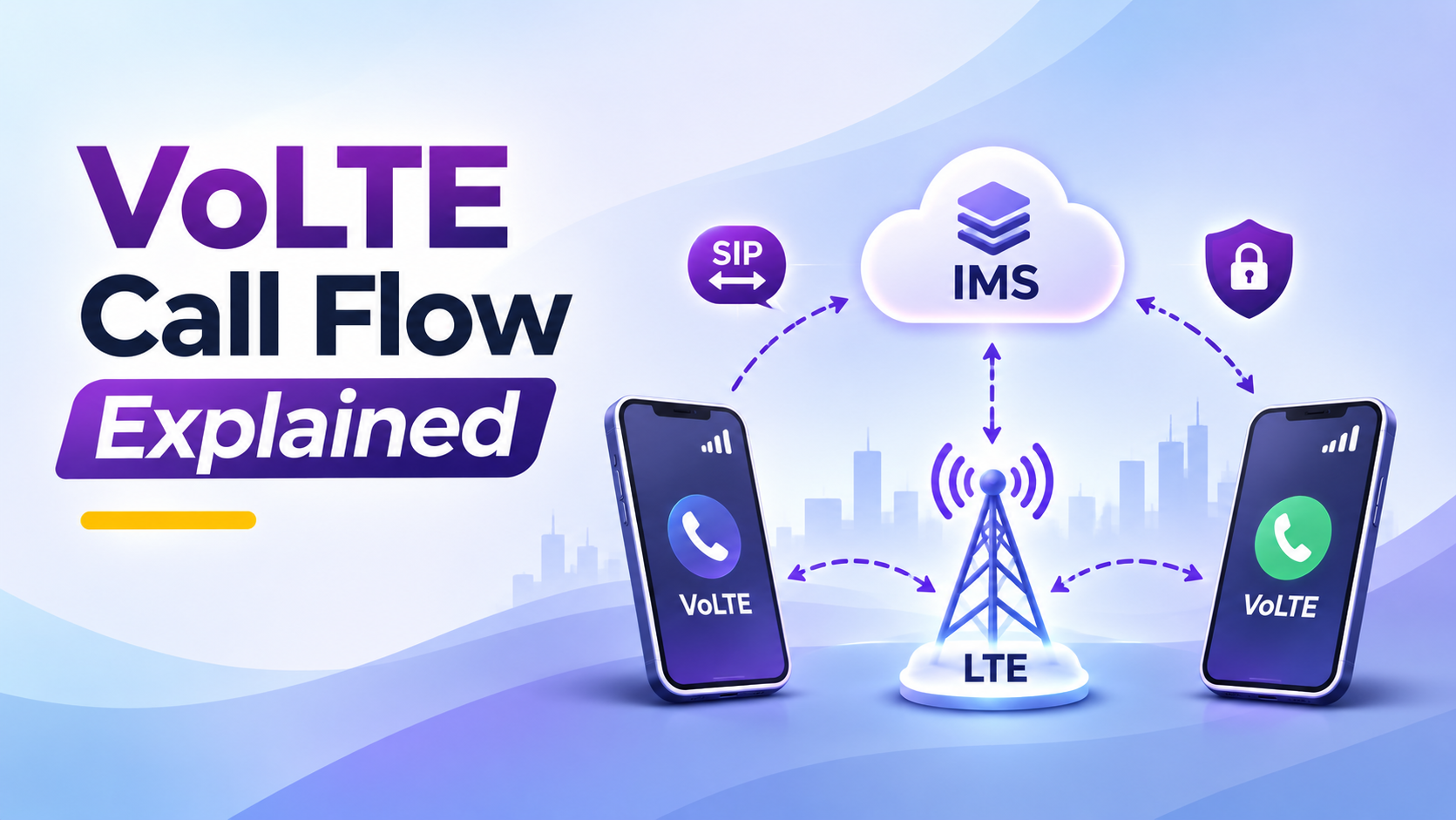

VoLTE (Voice over LTE) carries voice calls as IP traffic across a 4G LTE network. Unlike traditional circuit-switched voice, it uses the IP Multimedia Subsystem (IMS) to manage registration, session control and service delivery. Understanding the VoLTE call flow helps telecom operators see how a call moves from device registration to session establishment, media exchange and release—and where signaling controls matter.
A typical call relies on the LTE access network, the Evolved Packet Core (EPC), IMS functions and protocols such as SIP and RTP. Although deployments differ, the core signaling stages follow a common pattern.
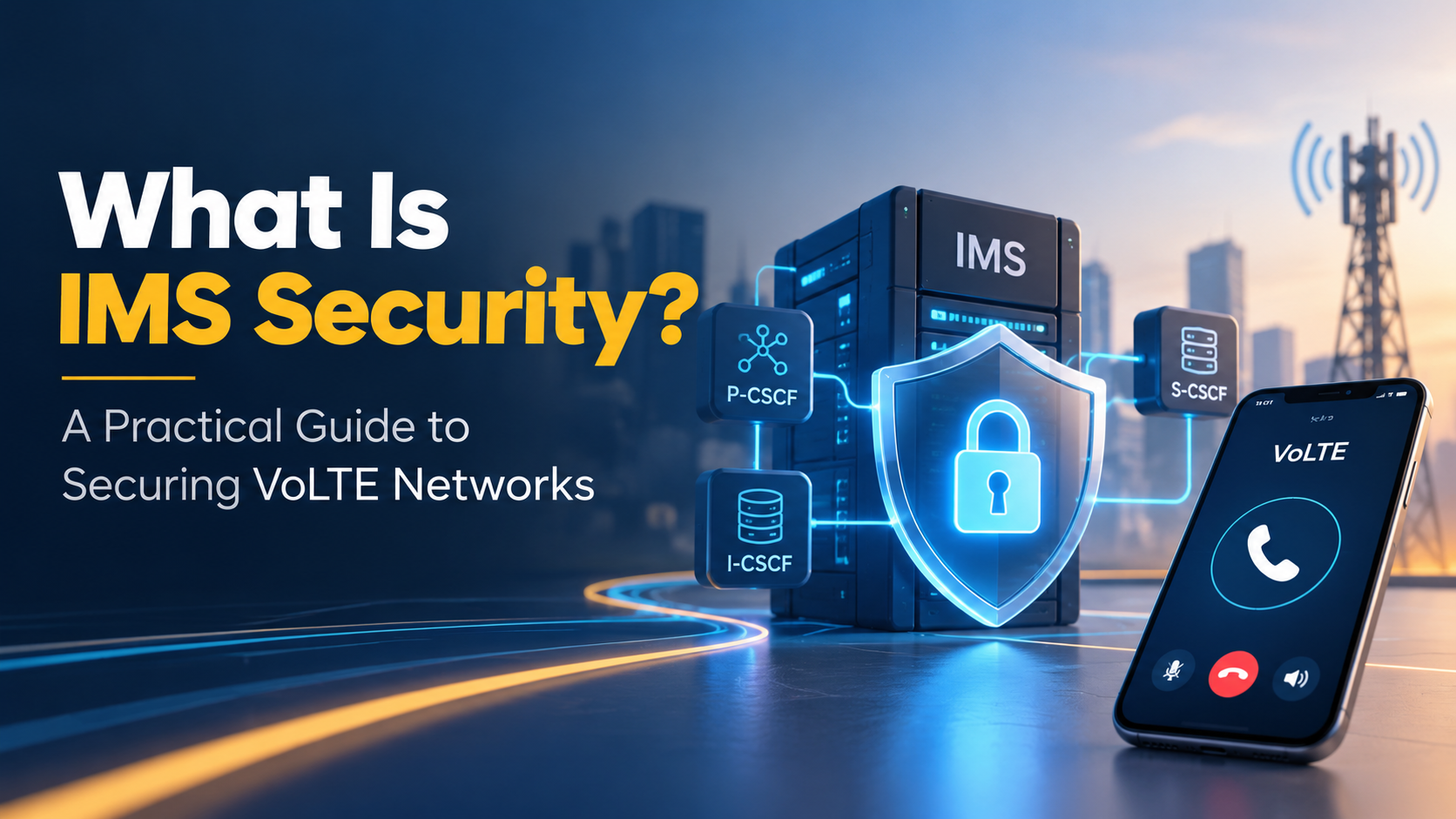
VoLTE network architecture combines three major domains. The LTE radio access network connects the handset to the operator; the EPC provides packet connectivity, mobility and policy control; and IMS provides voice-service control. The VoLTE IMS architecture commonly includes the Proxy-CSCF (P-CSCF), Interrogating-CSCF (I-CSCF) and Serving-CSCF (S-CSCF), alongside application and subscriber-data functions.
IMS in VoLTE processes session requests and applies service logic. SIP in VoLTE carries registration and call-control messages, while RTP commonly carries the voice media after a session is established. Diameter may support selected authentication, subscriber-data and policy exchanges between network functions. Together, these VoLTE protocols enable LTE voice communication and IP-based voice calling.
A simplified VoLTE call flow can be divided into five stages. Exact message routing and optional exchanges depend on the operator’s network design, services and interconnection arrangements.
The process begins when a VoLTE-capable device attaches to the LTE network. The radio access network establishes connectivity with the EPC, which manages the subscriber’s packet connection and mobility. The device obtains the connectivity required to reach IMS services. Authentication and security procedures help establish trusted access to the network.
The device discovers the IMS service and sends a SIP REGISTER request through the P-CSCF. The request is routed through the relevant IMS functions so the network can authenticate the subscriber and register the device. The S-CSCF maintains the subscriber’s registration state and applies the relevant service profile. Successful registration makes the user reachable for IMS voice services.
This registration exchange is part of the broader VoLTE signaling flow. If registration fails because of authentication, configuration, reachability or service-profile issues, the user may be unable to place or receive VoLTE calls.
When the caller dials a number, the device sends a SIP INVITE containing session information. The request passes through the P-CSCF and other IMS routing functions toward the called party. IMS may consult subscriber and application-service information to apply call handling rules, such as number translation or supplementary services.
The destination network alerts the called device. SIP responses indicate progress—for example, that the request is being processed or that the destination is ringing. This portion of the SIP call flow is central to call setup and troubleshooting.
When the called party accepts, a successful SIP response is returned and the session is confirmed. The endpoints negotiate media parameters, commonly using Session Description Protocol (SDP) information carried in SIP messages. Network policy and bearer-control functions arrange suitable quality-of-service treatment for the voice stream.
The specific sequence can vary with early media, supplementary services, roaming and interconnect scenarios. For this reason, an IMS call flow review should consider the actual operator topology rather than relying only on a simplified reference diagram.
Once the session is established, voice is commonly transported using Real-time Transport Protocol (RTP). Media may travel through an operator-controlled media function or another approved path, depending on architecture and policy. RTCP may provide feedback about media delivery.
When either participant ends the call, SIP signaling releases the session. IMS and the network functions involved clear the associated state and resources. This completes the high-level VoLTE call flow, from registration through signaling and conversation to release.
Handles IMS registration and session setup, modification and termination. SIP messages such as REGISTER, INVITE, responses and BYE are important when analysing signaling behavior.
Describes media characteristics and negotiation details, including supported codecs and transport information. It is commonly carried within SIP messages.
RTP transports voice media; RTCP provides feedback about media quality and delivery.
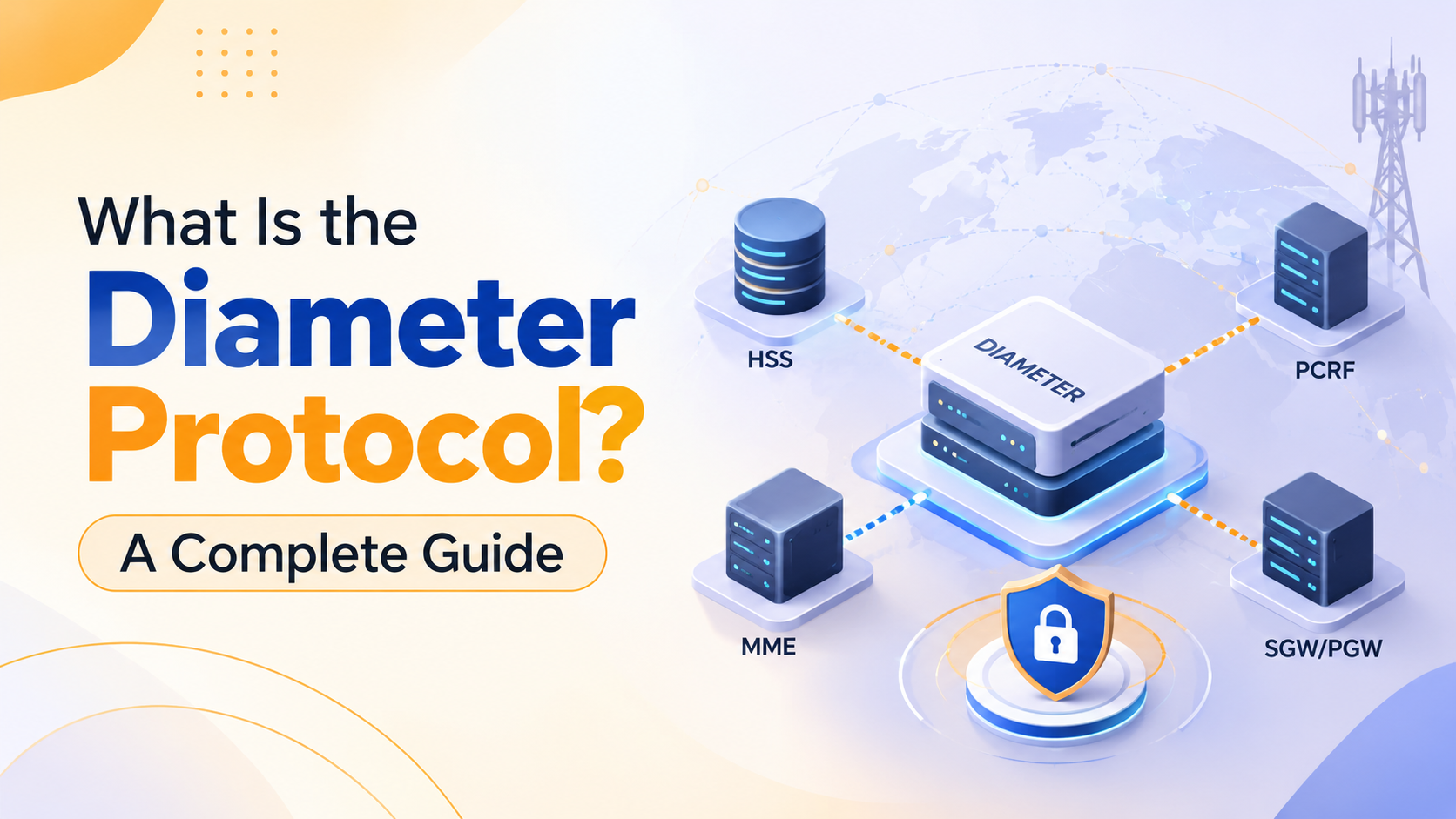
Supports selected authentication, authorization, subscriber-data and policy exchanges across LTE and IMS-related interfaces.
Provide packet transport, mobility, bearer management and quality-of-service handling. IPsec may protect selected signaling links, depending on the interface and deployment.
LTE voice security should be considered at every stage, not only during the conversation. Registration weaknesses may expose subscriber access; poorly controlled SIP interfaces may allow unwanted signaling; and insecure network configurations can increase the risk of service disruption or unauthorized communication.
Operators should restrict signaling connections to trusted peers, validate SIP and Diameter messages, harden network elements and protect management access. Monitoring can help identify unusual registration attempts, unexpected SIP methods, abnormal signaling volumes and communication from unapproved sources. Media paths and interconnects should also be reviewed for appropriate routing and access controls.
A practical VoLTE security assessment should examine the end-to-end VoLTE architecture, including device access, EPC interfaces, IMS functions, SIP call flow, media handling, roaming and external interconnections. Testing should be authorized, carefully scoped and designed to avoid disruption to live services. Regular reviews are important as software, network topology and partner connections change.
Circuit-switched voice reserves dedicated network resources for a call. VoLTE carries voice as IP packets over LTE and uses IMS and SIP for session control. This enables simultaneous voice and data, but also makes voice service dependent on packet connectivity, IMS availability and IP-based signaling. Operators may need interworking functions to connect VoLTE users with subscribers on legacy networks.
The VoLTE call flow links LTE access, EPC connectivity, IMS registration, SIP session signaling and RTP media transport. Understanding each stage helps operators troubleshoot call setup and media issues while identifying where security controls should be applied. A complete review of VoLTE architecture, protocols and signaling paths supports reliable LTE voice communication and stronger VoLTE security.