Blog
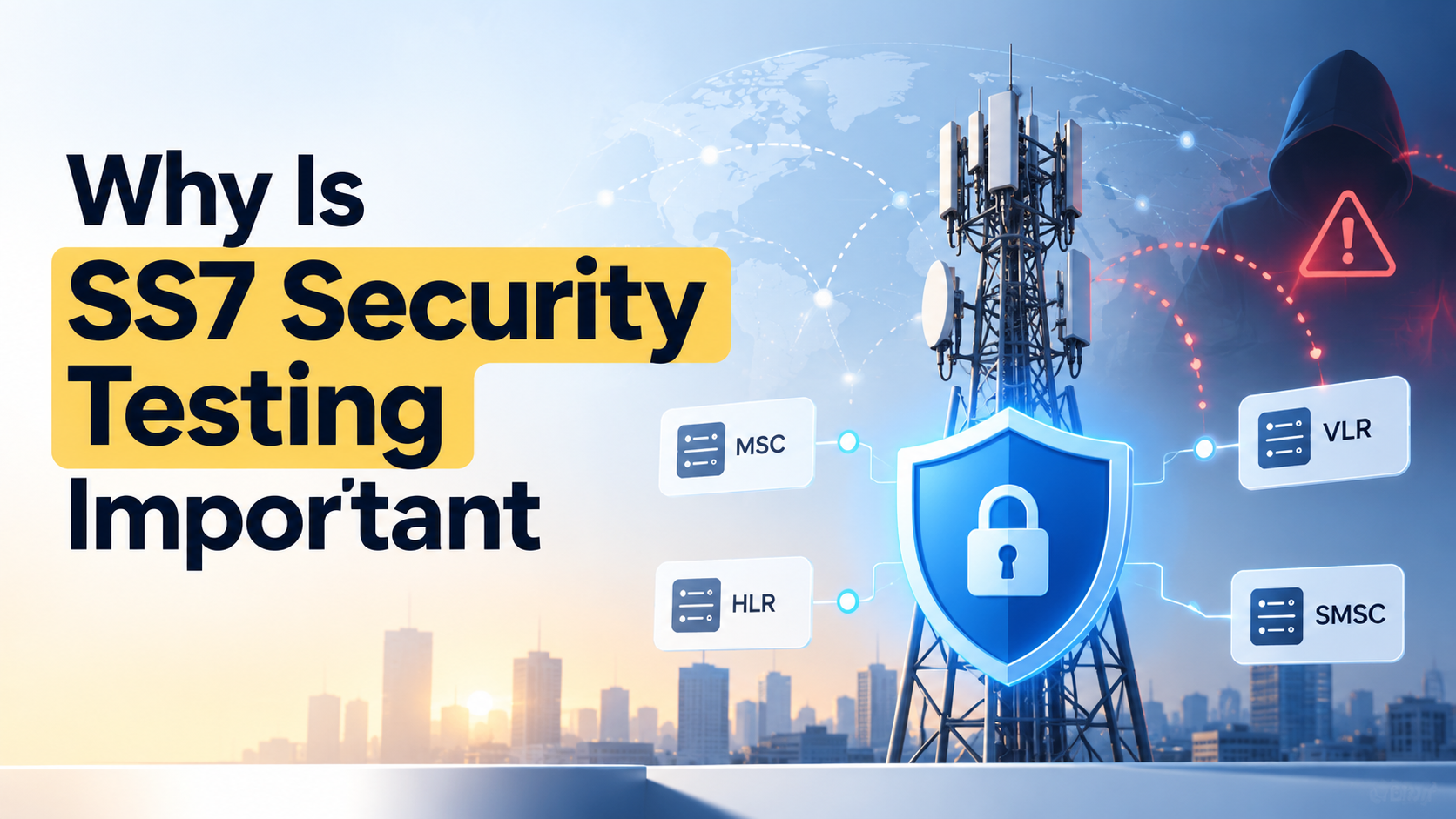

SS7 security testing is important because telecom signaling networks can expose subscribers and critical services to risks such as location tracking, SMS interception, signaling fraud, information disclosure, and service disruption. Testing helps telecom operators identify these weaknesses before attackers can exploit them.
The importance of SS7 security testing has increased as telecom networks have become more interconnected. Although SS7 is a legacy signaling technology, it continues to support important functions across many telecom environments, including roaming and interoperability with newer network generations.
Security controls such as signaling firewalls and filtering can reduce exposure, but operators also need to verify whether those controls work as intended. This is where specialized SS7 security testing becomes essential.
The core reason SS7 security testing matters is that SS7 was designed around trusted relationships between interconnected networks. Modern telecom environments involve numerous external connections, roaming partners, signaling providers, and network elements.
If these relationships are insufficiently controlled, malicious or unauthorized signaling requests may reach sensitive network functions.
Testing provides operators with an opportunity to evaluate their signaling security from an attacker’s perspective and identify weaknesses before they result in subscriber or business impact.
One of the biggest benefits of SS7 security testing is proactive vulnerability identification.
An operator may have security controls in place but still have weaknesses caused by:
Testing can expose these weaknesses in a controlled environment, allowing security teams to address them before they become exploitable attack paths.
Subscriber information is one of the most important assets that telecom operators need to protect.
SS7-related weaknesses may potentially allow unauthorized parties to obtain subscriber-related information or infer details about a user’s network activity.
SS7 security testing can assess whether sensitive signaling requests are appropriately restricted and whether unauthorized sources can access information they should not receive.
This makes subscriber privacy a central reason behind the importance of SS7 security testing.
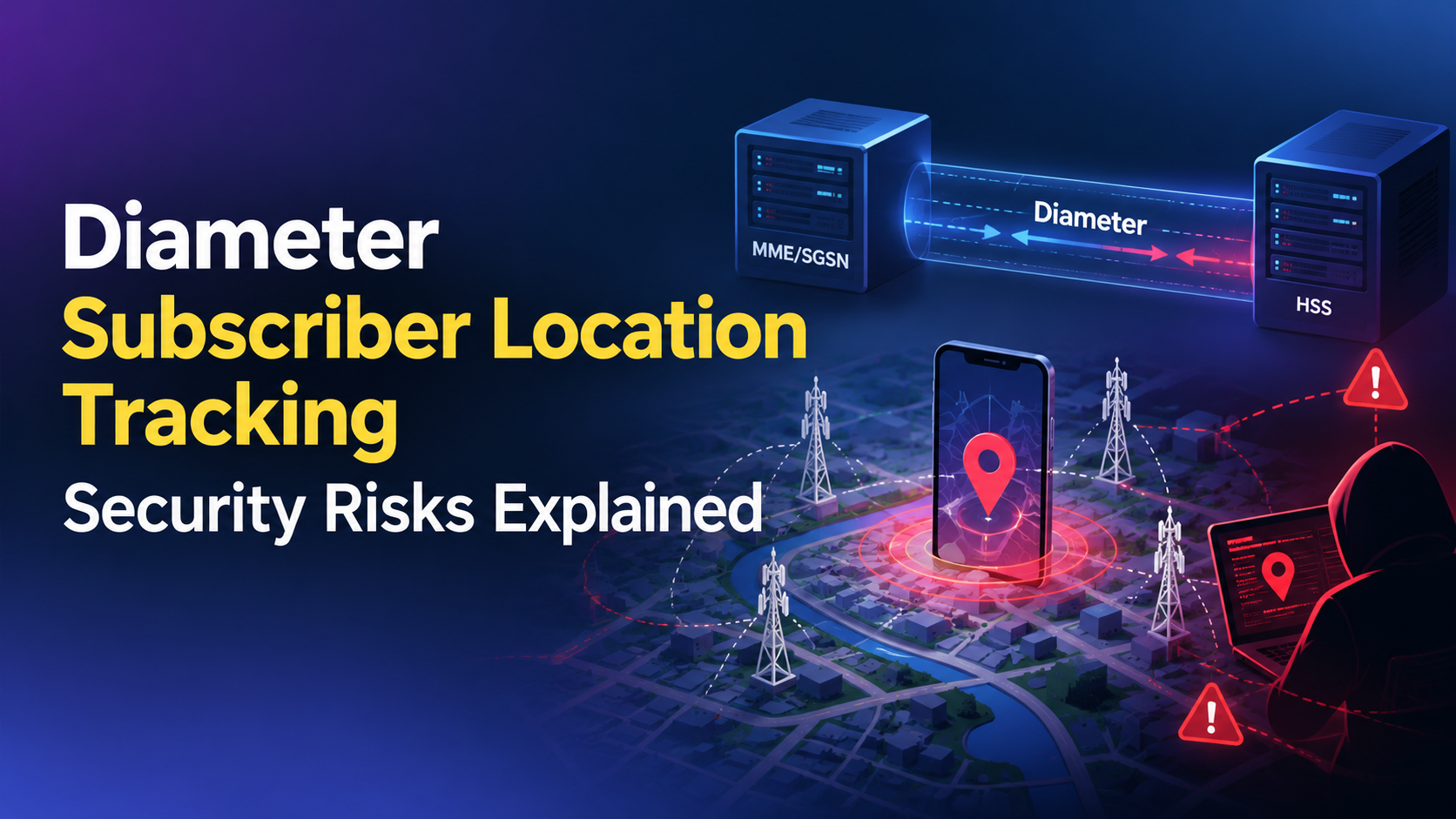
Location tracking is a well-known security concern associated with SS7 signaling.
Attackers may attempt to abuse signaling functions to determine a subscriber’s serving network or obtain location-related information.
Testing can evaluate whether an operator’s security controls correctly identify and restrict unauthorized location-related requests.
This helps operators strengthen privacy protections and reduce the potential for signaling-based location abuse.
SMS continues to play an important role in telecom services, including notifications, service communication, and authentication workflows.
Weaknesses in signaling can potentially be abused to manipulate SMS routing or facilitate interception scenarios.
SS7 security testing can assess relevant signaling controls and determine whether unauthorized SMS-related requests are appropriately blocked or restricted.
For operators, this is particularly important when subscribers depend on SMS for sensitive communications or authentication.
Signaling weaknesses can potentially be exploited as part of telecom fraud and service abuse.
Attackers may attempt to manipulate signaling functions, access subscriber information, or abuse network services.
Testing helps operators identify signaling paths and control weaknesses that could contribute to fraudulent activity.
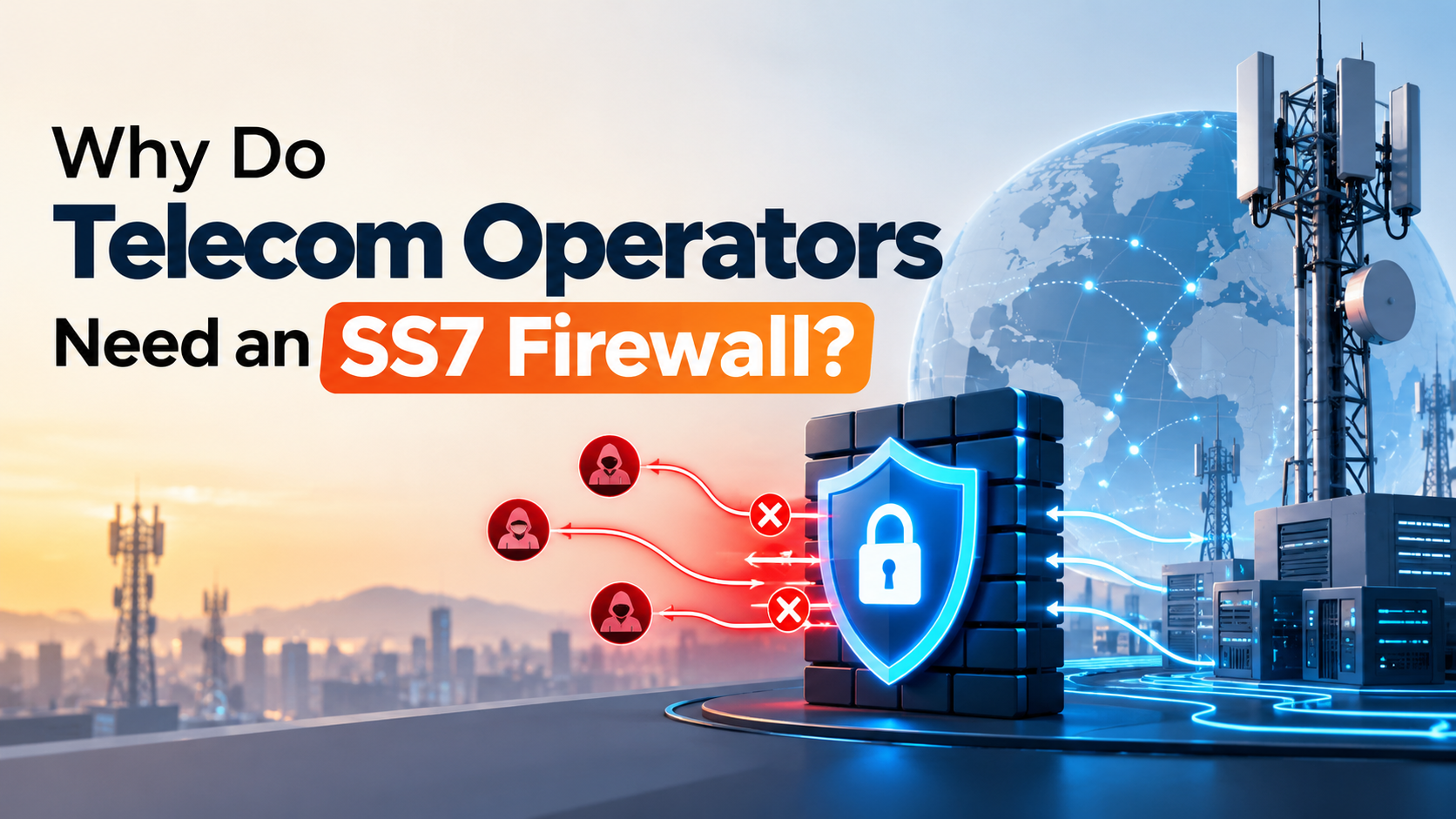
Many operators deploy signaling firewalls to control and filter SS7 traffic.
However, simply having a firewall does not guarantee effective protection.
SS7 security testing can validate whether security policies actually work against realistic signaling scenarios.
Testing can determine whether the firewall:
This provides operators with evidence about the effectiveness of their existing security controls.
SS7 security is not limited to confidentiality and privacy.
Malicious or excessive signaling activity can potentially affect network resources and contribute to service disruption.
Security testing can include controlled scenarios designed to evaluate how the network and its security controls respond to abnormal signaling activity.
The objective is to understand whether the operator can maintain service availability when faced with signaling-based threats.
Another important aspect of SS7 security testing is identifying monitoring and detection gaps.
Security teams need visibility into signaling activity to determine whether suspicious behavior is occurring.
Testing can assess whether monitoring systems can identify patterns such as:
Better visibility helps operators detect threats earlier and investigate incidents more effectively.
Telecom operators operate critical infrastructure and are expected to maintain appropriate security controls around subscriber information and network services.
While specific regulatory and compliance requirements vary by jurisdiction, security testing can provide documented evidence that signaling infrastructure is being assessed and security weaknesses are being addressed.
Testing reports can also support internal security governance by providing:
This creates a measurable security improvement process.
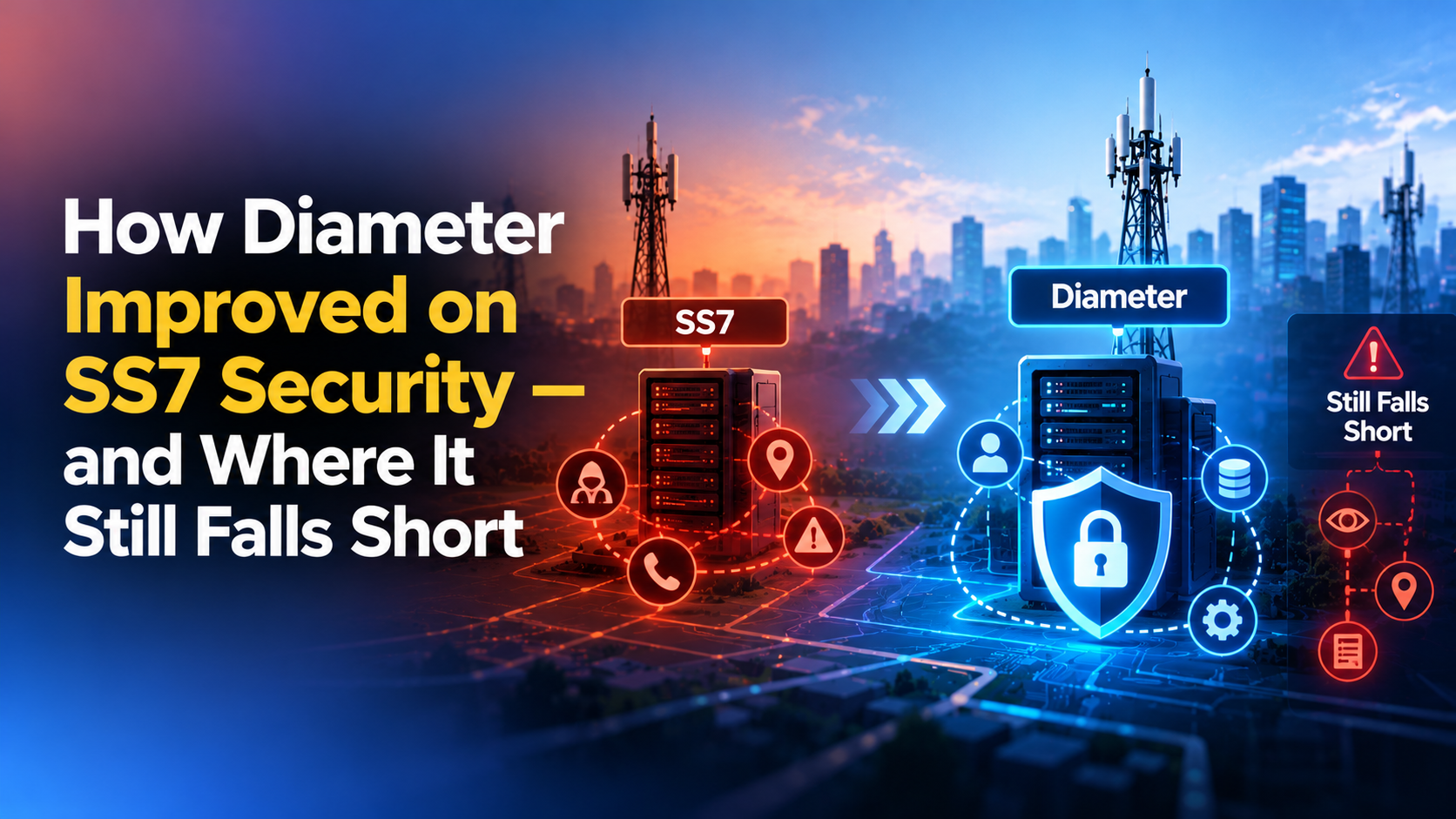
The continued importance of SS7 security testing is partly due to the coexistence of multiple generations of telecom technology.
Modern operators may manage:
Deploying 4G or 5G does not necessarily eliminate legacy SS7 dependencies.
Roaming, interoperability, and existing infrastructure can keep SS7 relevant within modern telecom environments.
Therefore, SS7 security should be considered as part of a broader multi-generation signaling security strategy.
Not every signaling weakness presents the same level of risk.
A structured SS7 security testing program helps operators understand which vulnerabilities could have the greatest impact on:
This allows security and network teams to prioritize remediation and allocate resources to the areas that require the greatest attention.
Telecom networks are constantly changing.
New interconnections, roaming arrangements, network upgrades, configuration changes, and services can introduce new signaling exposure.
As a result, a security assessment performed once may not accurately represent the network’s security posture later.
A continuous approach creates a cycle of:
Assess → Test → Identify → Remediate → Retest
This helps ensure that security controls continue to work as the network evolves.
Without regular testing, operators may have limited visibility into whether their signaling controls actually protect against realistic threats.
Potential consequences include:
The absence of testing does not necessarily mean a network is vulnerable, but it creates uncertainty about the effectiveness of its existing defenses.
Operators should consider SS7 security testing:
Testing frequency should be based on the operator’s network architecture, exposure, threat environment, and risk profile.
The importance of SS7 security testing comes from the critical role signaling plays in telecom networks and the potential consequences of signaling abuse.
SS7 security testing helps operators identify vulnerabilities, validate signaling firewalls and filtering controls, protect subscriber information, reduce location tracking and SMS interception risks, detect fraud opportunities, and strengthen network resilience.
Because SS7 can continue to coexist with 4G and 5G infrastructure, operators should not treat legacy signaling security as a closed historical issue.
Instead, SS7 security testing should form part of an ongoing telecom signaling security program that combines assessment, monitoring, security controls, remediation, and retesting.
For operators responsible for protecting critical signaling infrastructure, regular testing provides something particularly valuable: evidence that the security controls protecting the signaling layer are actually working.