Blog


IMS network segmentation divides the IP Multimedia Subsystem environment into controlled zones so that components communicate only through approved paths. For telecom operators, this can reduce unnecessary reachability, limit lateral movement after a compromise and help protect critical voice services. Segmentation is not simply a matter of creating network subnets: it requires an accurate IMS security architecture, documented traffic flows, carefully designed access rules and continuous validation.
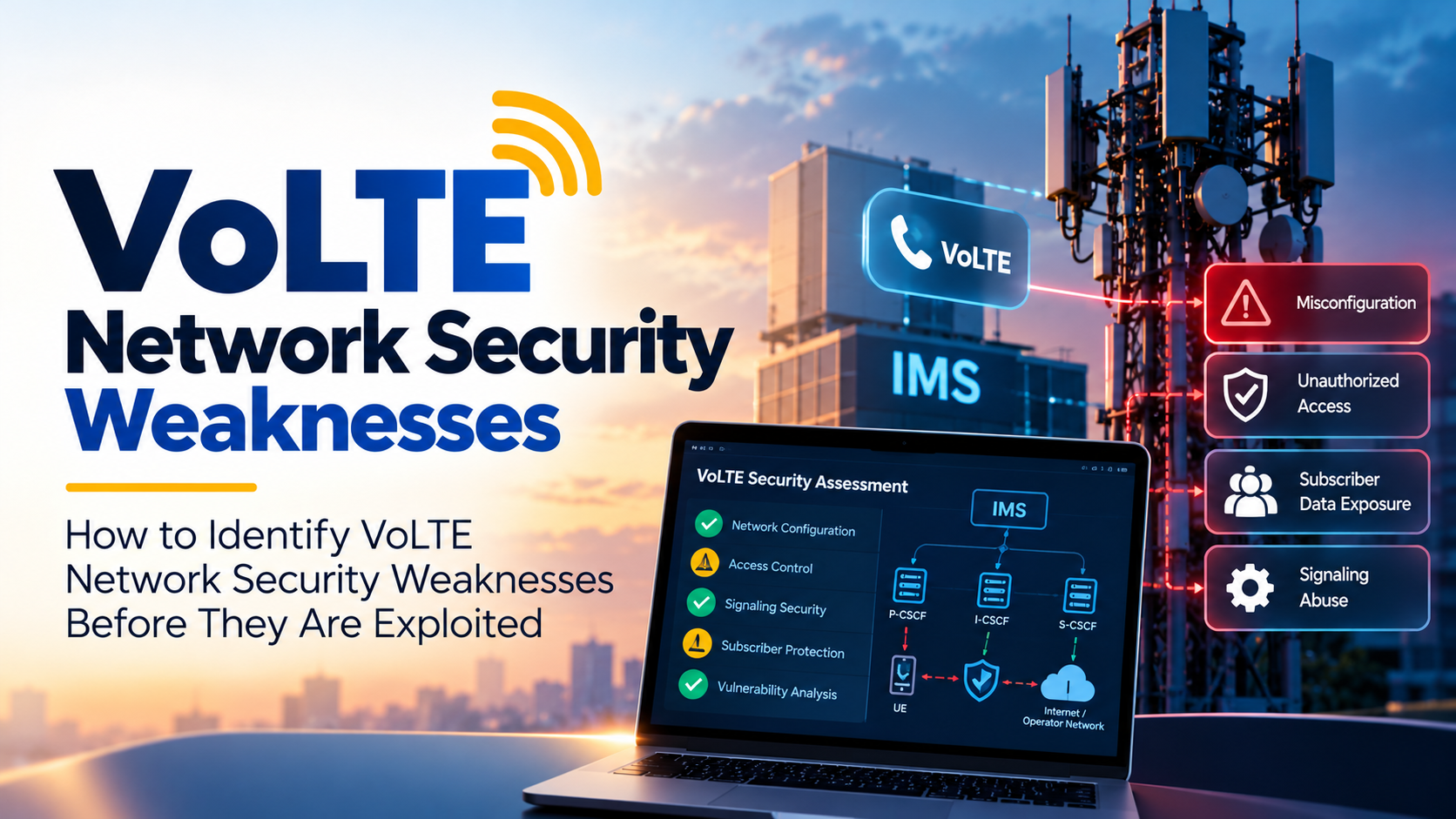
IMS supports services such as Voice over LTE (VoLTE) and relies on interconnected network elements, signaling interfaces, management systems and external connections. If these components share broad network access, a compromised or misconfigured system may be able to reach resources beyond its operational needs. IMS network segmentation helps reduce that exposure by defining trust boundaries and limiting permitted communication.
These controls support wider telecom network security, but segmentation is not a standalone solution. It works alongside identity and access management, secure configurations, monitoring, patching and incident response. Operators should design boundaries around service dependencies and operational risk, not just organizational ownership.
Begin with an inventory of IMS components, interfaces, management paths, signaling gateways and external interconnects. Document which systems communicate, why each flow is required, who owns it and what security control protects it. Include dependencies between vendors and services, plus any operational or emergency access paths.
A current IMS security architecture helps identify unnecessary connections and create enforceable rules. Validate diagrams against live configurations and traffic; outdated documentation can disrupt services or leave gaps.
Group components into zones according to their role, exposure and trust requirements. Depending on the architecture, separate management interfaces from service traffic, isolate supporting systems from critical service components, and control connections to external networks. Telecom network segmentation should reflect actual communication needs rather than applying a one-size-fits-all design.
Use explicit boundaries between zones and define the approved traffic that may cross each one. Avoid broad rules that allow entire network ranges to communicate when only a small number of services are needed.
Network access controls should allow only approved sources, destinations, protocols and services. Review firewall rules, access-control lists and gateway policies to remove unused permissions and restrict administrative access. Apply change approval, ownership and review dates to rules so that temporary exceptions do not become permanent.
IMS access security should also cover administrator accounts, service identities and emergency access. Restrict privileges, log administrative activity and verify that access rights remain appropriate as teams, vendors and network components change.
Segmentation determines which zones can communicate; IMS traffic filtering helps control the traffic permitted across those boundaries. Use source and destination restrictions, service-specific rules and protocol-aware filtering where supported. Filtering can help reduce unauthorized IMS traffic and detect unexpected signaling patterns, while rate limits may help manage excessive request volumes.
Test rules carefully to avoid blocking legitimate signaling or critical services. Maintain rollback plans, monitor denied traffic and investigate repeated violations. Telecom network traffic controls should be documented, measurable and aligned with approved service flows.
IPsec in VoLTE may protect selected IP communication paths through confidentiality, integrity and peer authentication, depending on the architecture and configuration. It can contribute to IMS signaling protection, but it does not replace segmentation or access control. IPsec security limitations include coverage gaps, configuration errors and the possibility that authenticated peers still send unwanted traffic.
Map which paths are protected, validate peer configuration and key-management practices, and ensure filtering and access policies still apply. VoLTE security protocols should be treated as complementary layers within a broader security design.
VoLTE security hardening includes removing unnecessary services, restricting management interfaces, patching supported software and maintaining secure configuration baselines. IMS security policies should specify how segmentation rules are requested, approved, implemented, monitored, reviewed and retired. Compare live configurations with approved baselines to identify drift.
Monitor permitted and denied flows, rule changes and unusual signaling. Correlate alerts with planned changes to distinguish expected activity from possible incidents. Authorized testing should confirm boundaries work as designed and no unnecessary path has been introduced.
Record findings with evidence, impact, remediation owners and retest criteria. Reassess segmentation after new services, interfaces, vendors or architecture changes, and track exceptions until they are removed or formally accepted.
IMS network segmentation reduces unnecessary connectivity between critical network components and helps contain the impact of a compromise. Operators should combine a current IMS security architecture with least-privilege network access controls, IMS traffic filtering, suitable signaling protection, secure configurations and monitoring. Regular testing and well-managed IMS security policies help ensure that segmentation remains effective as the network evolves.