Blog
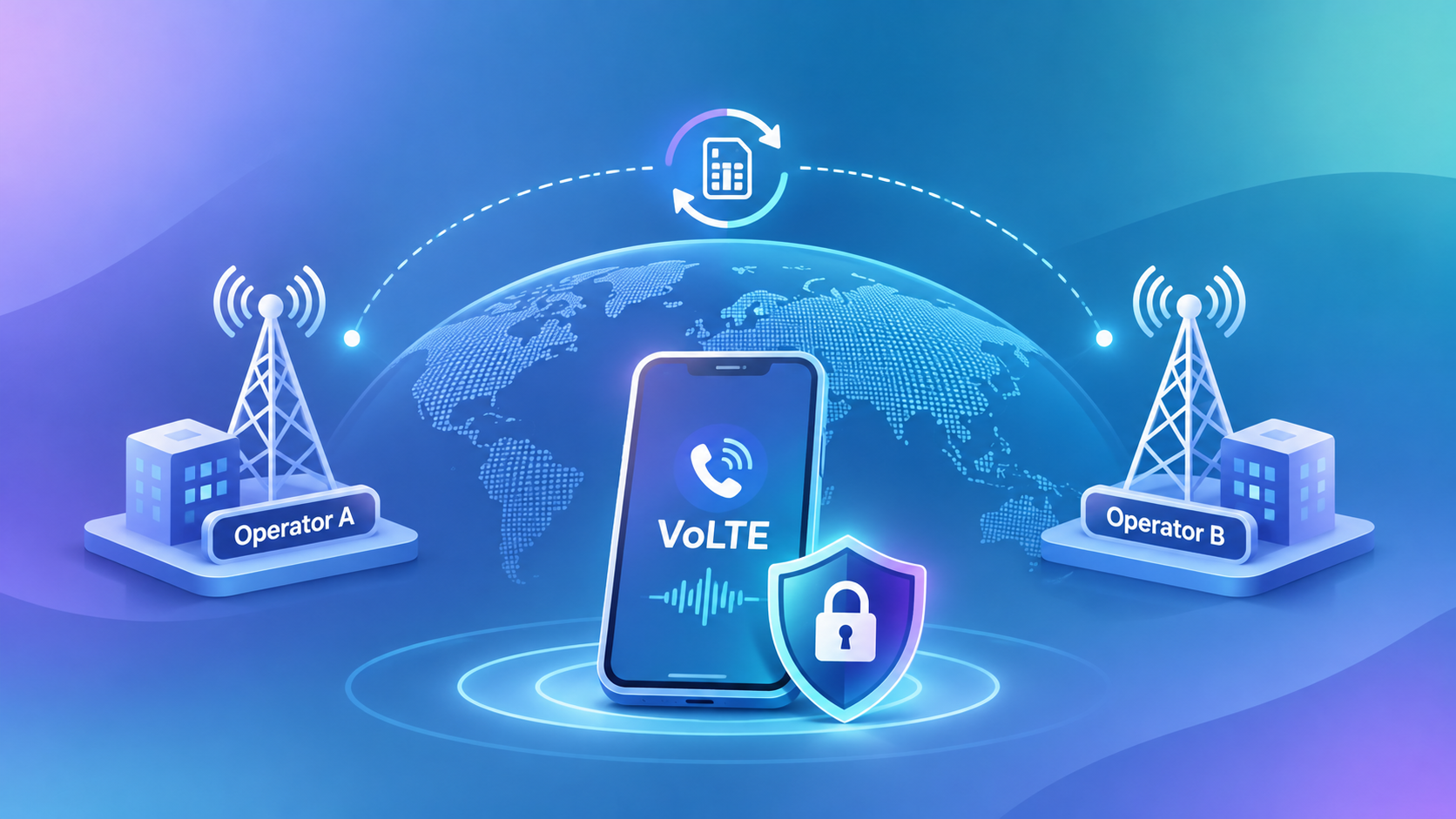

Mobile subscribers expect voice services to work when they travel beyond their home operator’s coverage. VoLTE roaming allows voice services across interconnected LTE and IP Multimedia Subsystem (IMS) environments. However, roaming extends trust beyond a single operator. Signaling, subscriber information and voice sessions may cross multiple networks, creating security dependencies that operators must understand.
VoLTE roaming security is not limited to protecting the home network. It requires coordinated controls across partner connections, IMS functions, signaling routes and interworking systems.
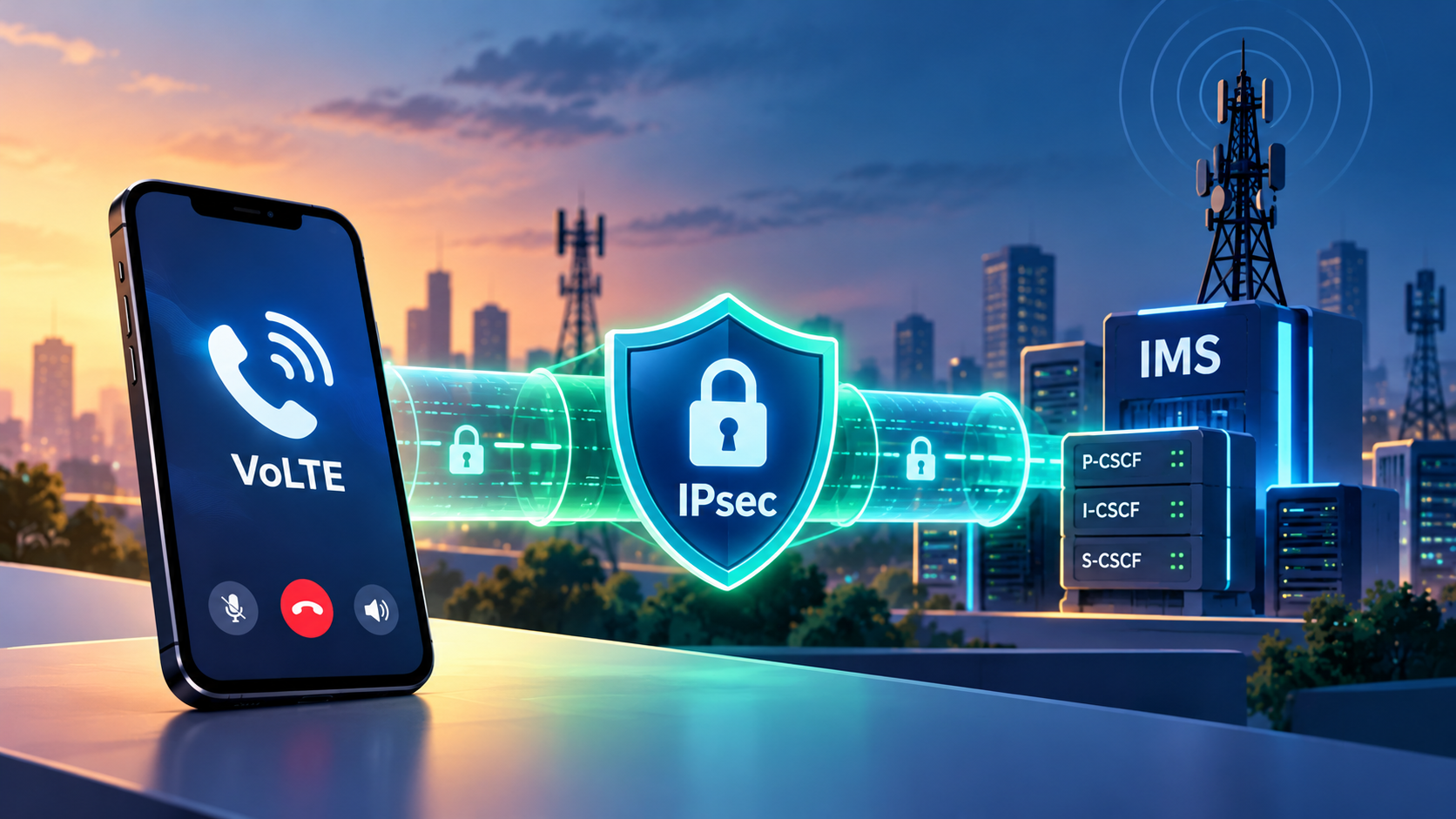
When a subscriber roams, the visited network provides radio access and connectivity while the home operator continues to provide or coordinate key subscriber and voice services, depending on the roaming architecture. IMS functions establish and manage the voice session, and signaling exchanges support authentication, routing and service handling.
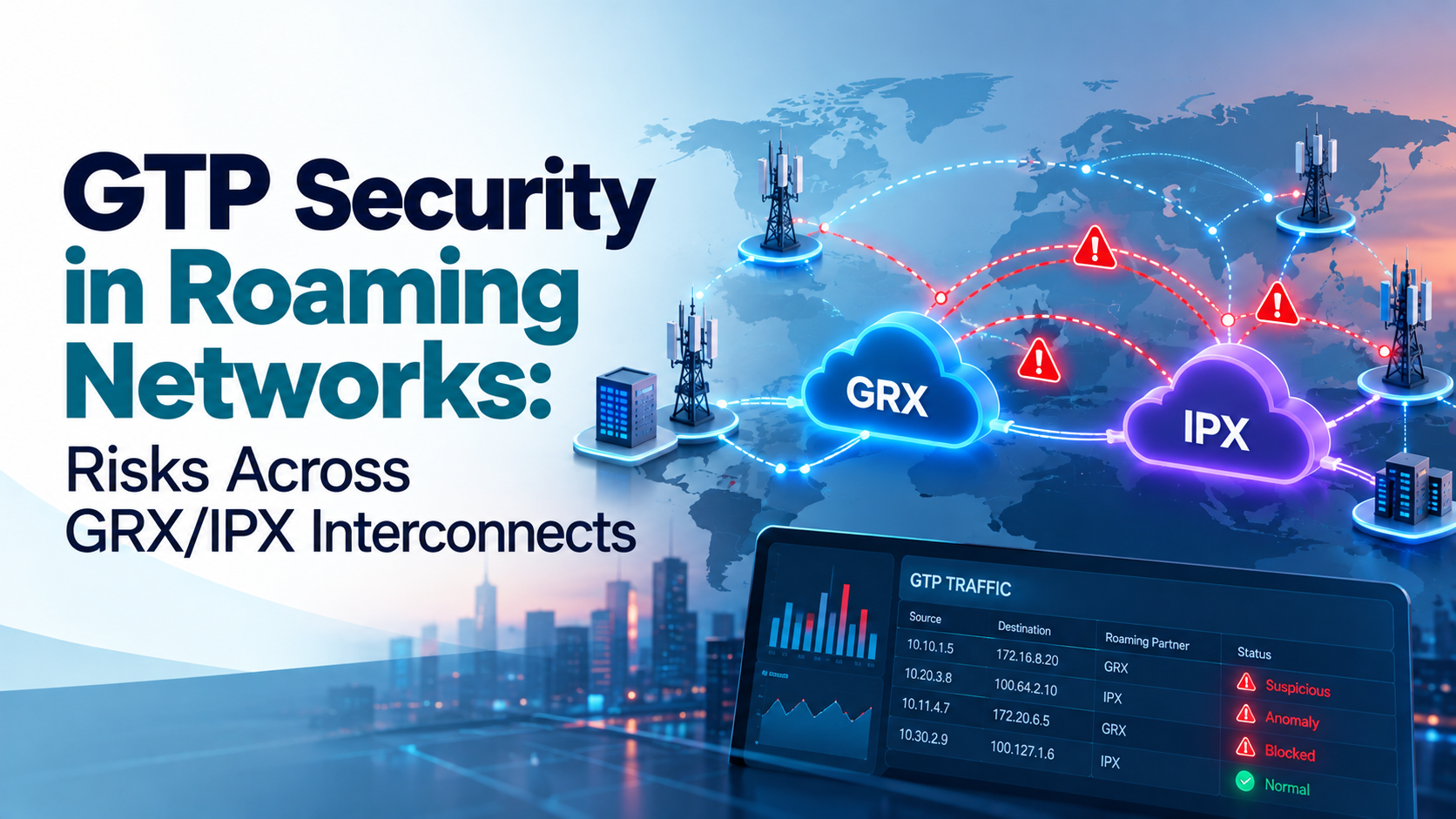
The arrangement depends on the operator’s roaming model, agreements, configuration and supported services. Traffic may traverse IPX providers or other interconnection partners. Each connection requires peer authentication, routing restrictions, message validation and monitoring.
A roaming relationship creates communication paths between organizations with different infrastructure and security practices. Weak partner onboarding, excessive network reachability or outdated trust arrangements can expose IMS and supporting systems.
SIP signaling is central to session establishment and control. Incorrect filtering or validation may allow malformed or unauthorized messages to reach network functions. Telecom signaling security controls should verify message behavior, restrict permitted methods and monitor unusual patterns.
Roaming exchanges can involve subscriber identifiers, routing details and service information. Excessive data sharing, weak access controls or insufficient monitoring can increase exposure. Operators should minimize shared data and protect signaling paths.
A home operator may maintain strong internal controls while a partner connection has weaker filtering, logging or configuration practices. This gap can undermine roaming network security. Security requirements should be defined with partners and validated periodically.
Some roaming and continuity scenarios involve legacy network components or circuit-switched fallback. Older interfaces may have different security assumptions. VoLTE legacy network interworking and CS fallback security should be included in risk reviews.
IMS roaming security begins with an inventory of network interfaces, partner routes and permitted services. Operators should document which network elements communicate, which protocols and message types are expected, and who owns each control.
VoLTE interconnect security should include authenticated and authorized peer connections, strict IP and signaling allowlists, interface-specific filtering, secure configuration and controlled changes. SIP interconnect security requires validation of message headers and methods, protection against malformed traffic, and monitoring for abnormal registration or session behavior.
An IMS security assessment should review internal IMS network security and boundaries connecting partner networks. This includes routing policies, access restrictions, signaling filters, logging, incident escalation and partner assurance evidence. Telecom interconnection security is strongest when technical controls have clear ownership and operational support.
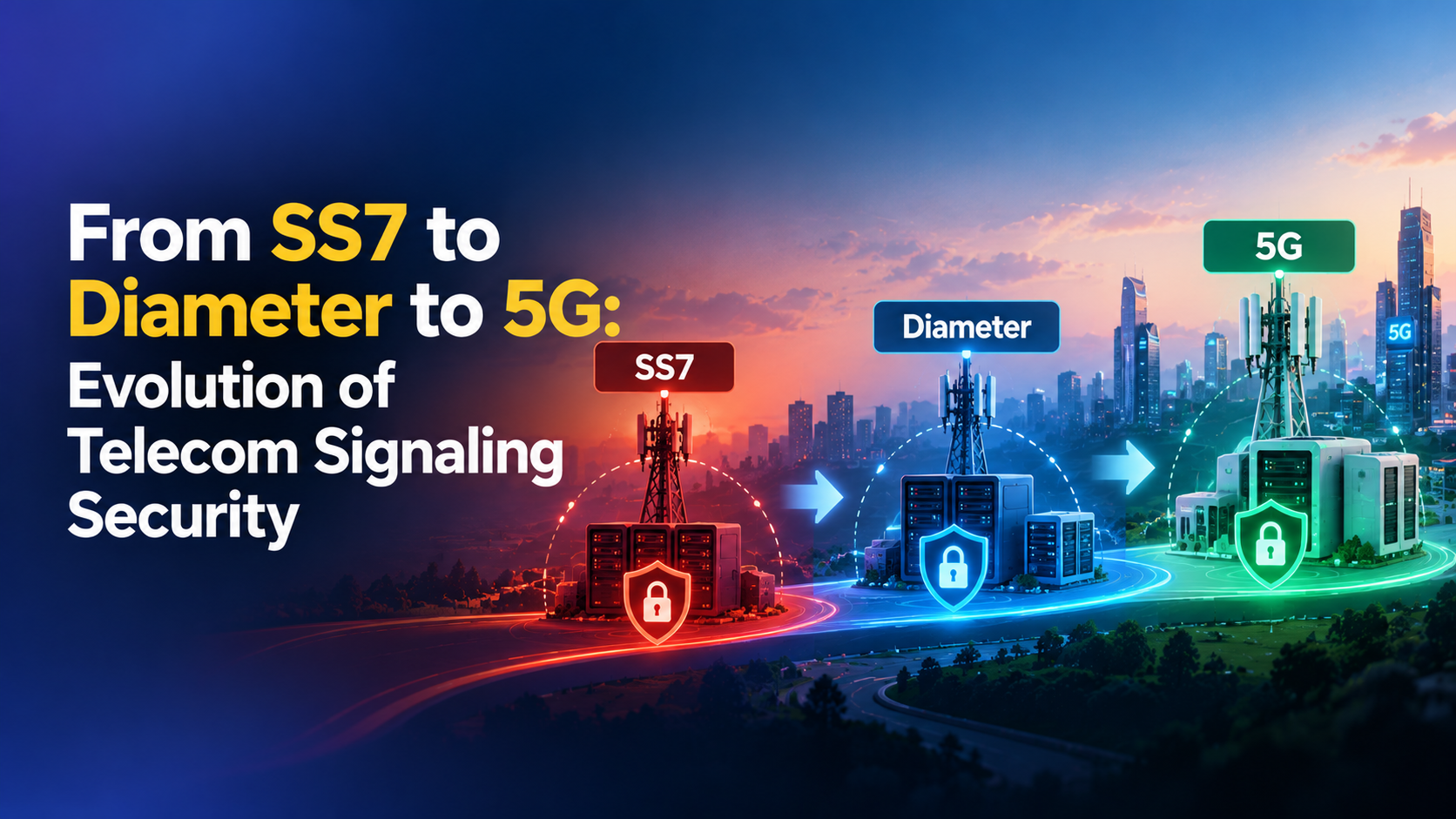
Voice service continuity becomes more complex as subscribers move between LTE, 5G and legacy coverage areas. 4G voice security remains important because VoLTE may provide voice where 5G standalone voice is unavailable or where fallback and interworking are required.
VoNR security applies to voice over 5G New Radio and its supporting 5G core and IMS environment. IMS security in 5G remains relevant because IMS can continue to provide voice service control. VoLTE vs VoNR is therefore not simply a choice between isolated technologies: operators must secure transitions, shared service functions and inter-network dependencies.
LTE voice continuity and voice service continuity security require reliable mobility and session handling, tested fallback behavior, and controls over signaling between technologies. Operators should review sessions during roaming, handovers, loss of coverage and transitions to legacy voice services.
To improve roaming network security, operators should:
VoLTE roaming security depends on the strength of every connection involved in delivering a voice service. Partner trust, signaling controls, subscriber-data protection, IMS security and legacy interworking all contribute to overall risk. Technical filtering, continuous monitoring, partner governance and regular IMS security assessment help protect voice service continuity across interconnected networks.