Blog


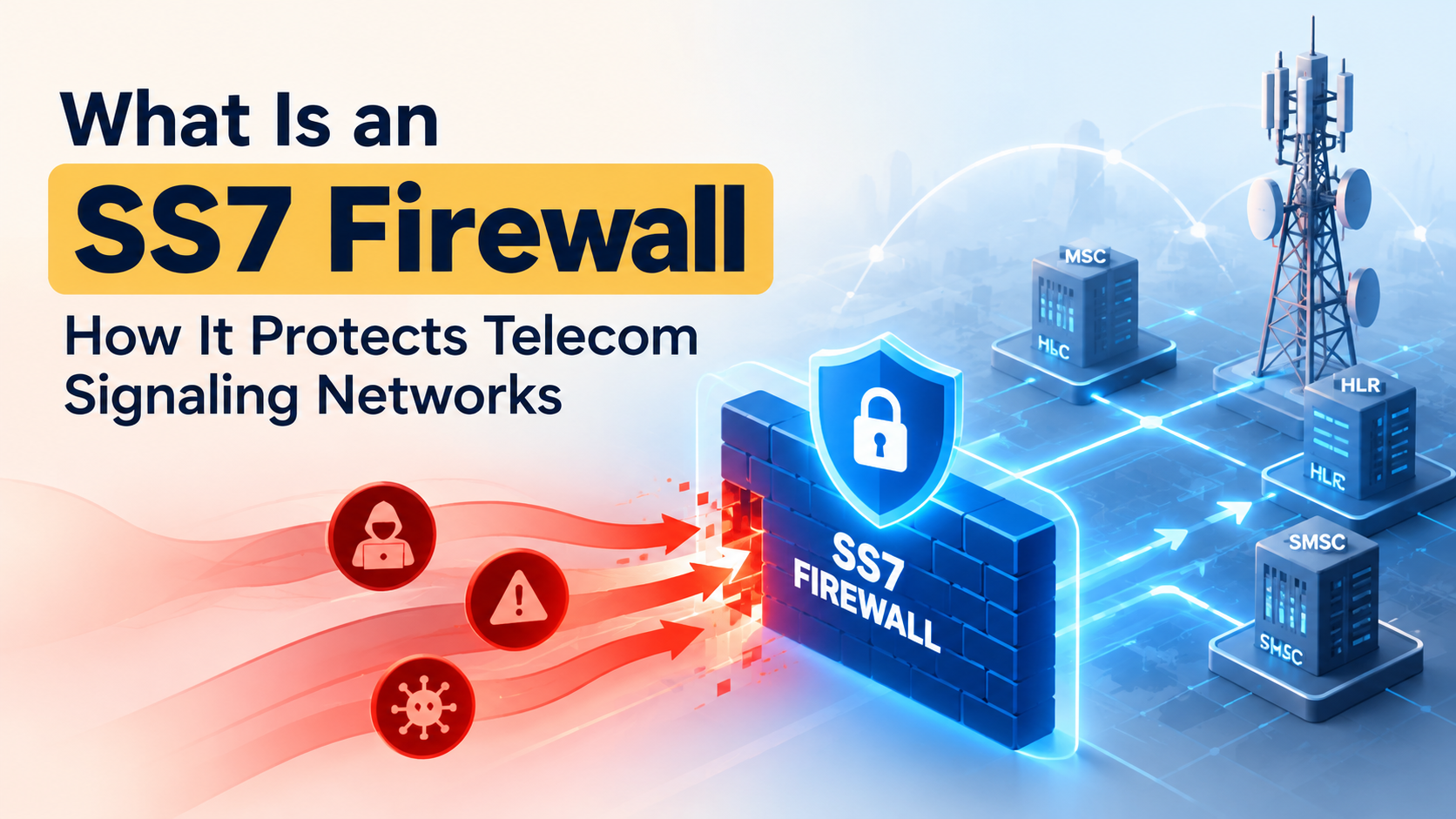
An SS7 firewall protects telecom signaling networks by inspecting signaling messages, applying security rules, and blocking requests that may be unauthorized, suspicious, or inconsistent with expected network behavior.
But how does an SS7 firewall work in practice?
Unlike a conventional IP firewall that primarily evaluates network connections and packets, an SS7 firewall is designed to understand telecom signaling traffic. It can analyze SS7 messages, evaluate their source and destination, apply filtering policies, and determine whether a signaling request should be allowed, blocked, or monitored.
This makes SS7 message filtering an important component of SS7 attack prevention.
The basic operation of an SS7 firewall can be represented as:
SS7 Traffic → Message Inspection → Policy Evaluation → Filtering Decision → Allow / Block / Monitor
When signaling traffic enters a protected network, the firewall examines the message and evaluates it against configured security policies.
The firewall may consider factors such as:
Based on these factors, the firewall can determine whether the message represents legitimate telecom activity or a potential security threat.
The first stage is traffic inspection.
SS7 signaling messages are exchanged between telecom network elements and interconnected networks to perform functions such as mobility management, call handling, SMS delivery, and subscriber services.
An SS7 firewall examines these messages as they pass through the signaling security layer.
Inspection provides visibility into what signaling requests are being received, where they originate, and which network functions they are attempting to access.
Without this visibility, potentially suspicious signaling activity may be processed simply because it uses a technically valid SS7 message format.
The next stage involves understanding what the signaling message is attempting to do.
Different SS7 messages support different network functions. A security control therefore needs to understand the signaling context rather than treating every message in the same way.
For example, a request involving subscriber information may require stricter controls than routine signaling traffic between trusted network elements.
This context-aware approach is central to effective SS7 message filtering.
An SS7 firewall can evaluate where a signaling request originates.
The source may be:
The firewall can apply different policies depending on the source and established trust relationship.
This is important because SS7 security has historically relied heavily on trust between interconnected networks. If an external entity is able to send signaling requests that are not properly validated, legitimate SS7 functionality can potentially be abused.
Source validation helps reduce this exposure.
After inspection and validation, the firewall applies configured security policies.
This is the core of SS7 message filtering.
Filtering rules can determine whether specific requests should be:
Policies can be designed around message types, signaling sources, destinations, subscriber context, and other relevant parameters.
The objective is to prevent suspicious signaling from reaching sensitive network functions while allowing legitimate telecom operations to continue.
Modern SS7 firewall protection can go beyond static filtering.
Traffic behavior can also be analyzed to identify unusual patterns.
Examples include:
Behavioral analysis can help identify potential attacks that may not match a simple predefined rule.
This is particularly valuable because malicious signaling can sometimes resemble legitimate network traffic at the protocol level.
When a signaling request violates a security policy, the SS7 firewall can prevent it from reaching the protected network element.
Blocking suspicious requests can help reduce risks involving:
This filtering layer is a key part of SS7 attack prevention because it can stop unauthorized signaling before it reaches sensitive telecom systems.
Blocking traffic is only one part of effective signaling security.
An SS7 firewall should also provide visibility into security events through logging and monitoring.
Security teams can use these records to understand:
Monitoring also supports incident investigation and helps operators identify trends that may not be visible from individual signaling events.
SS7 message filtering provides a policy enforcement layer between external signaling traffic and protected telecom infrastructure.
For example, an attacker may attempt to send signaling requests designed to obtain subscriber information. If the request violates the operator’s security policy, the firewall can reject it instead of allowing the request to reach the relevant network function.
Similarly, suspicious SMS-related or location-related signaling requests can be evaluated against appropriate rules.
Effective filtering therefore helps reduce the opportunity for attackers to turn legitimate SS7 functions into attack mechanisms.
An SS7 firewall can contribute to protection against several signaling threats.
Location-related signaling requests can be evaluated against source, context, and policy rules. Unauthorized requests can be blocked or flagged.
Suspicious signaling associated with SMS routing can be filtered to reduce the risk of unauthorized message manipulation or interception.
Requests for sensitive subscriber information can be restricted based on network relationships and security policies.
Abnormal signaling behavior can be detected and investigated, helping operators reduce opportunities for signaling-enabled fraud.
Excessive or inappropriate signaling requests can potentially be filtered or restricted to reduce their impact on network resources.
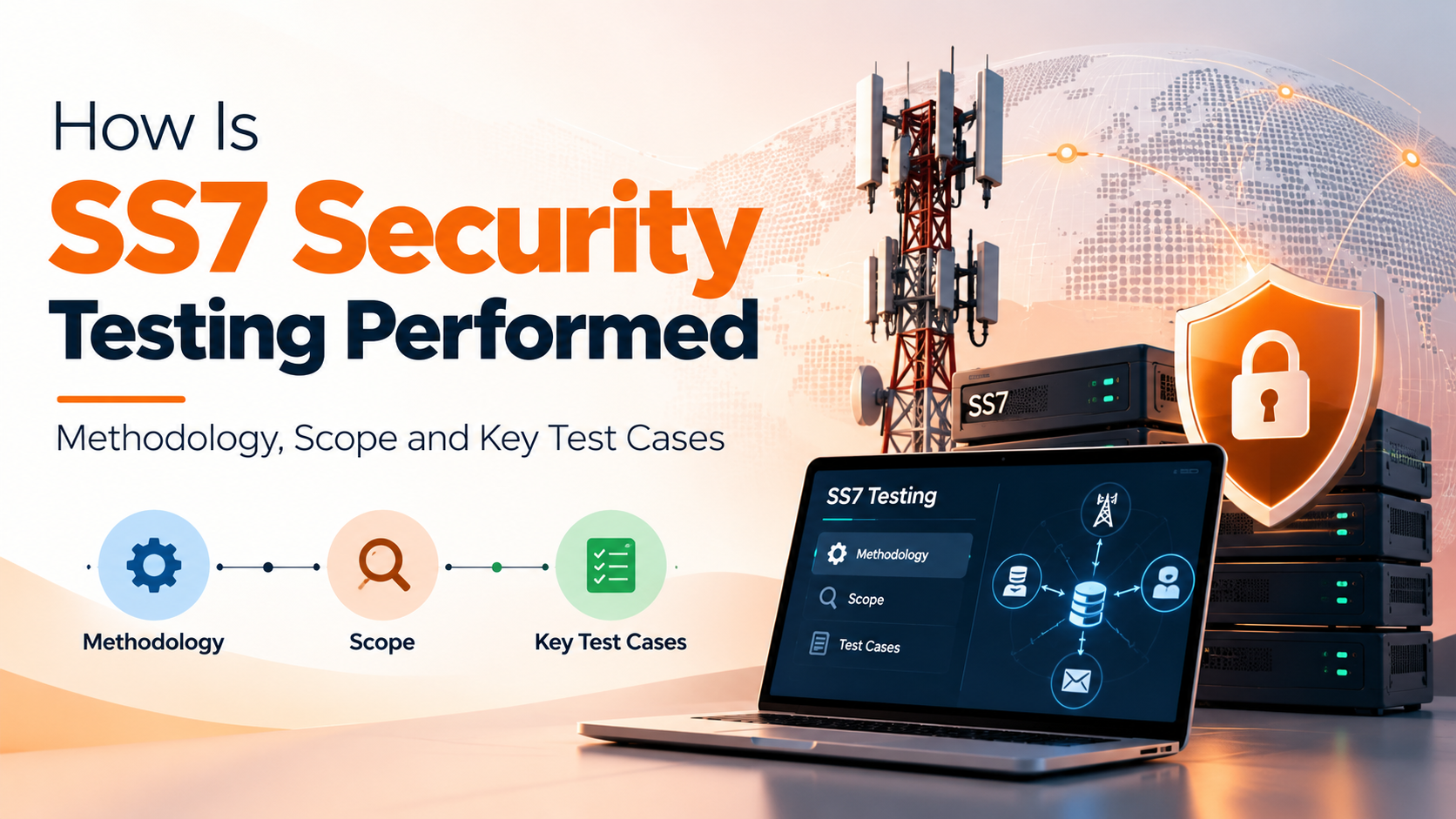
An important distinction is that an SS7 firewall provides an active security control, while SS7 security testing evaluates whether those controls actually work as intended.
A firewall may have extensive filtering capabilities, but incorrectly configured rules can still leave gaps.
Security testing can evaluate whether:
For more information, see How Signaling Security Testing Helps Prevent Fraud and Network Disruptions.
Testing and firewall protection therefore work together: testing identifies weaknesses, while the firewall provides an enforcement mechanism for security policies.
To improve SS7 attack prevention, operators should follow several best practices:
Firewall policies should evolve with the network rather than remaining static after initial deployment.
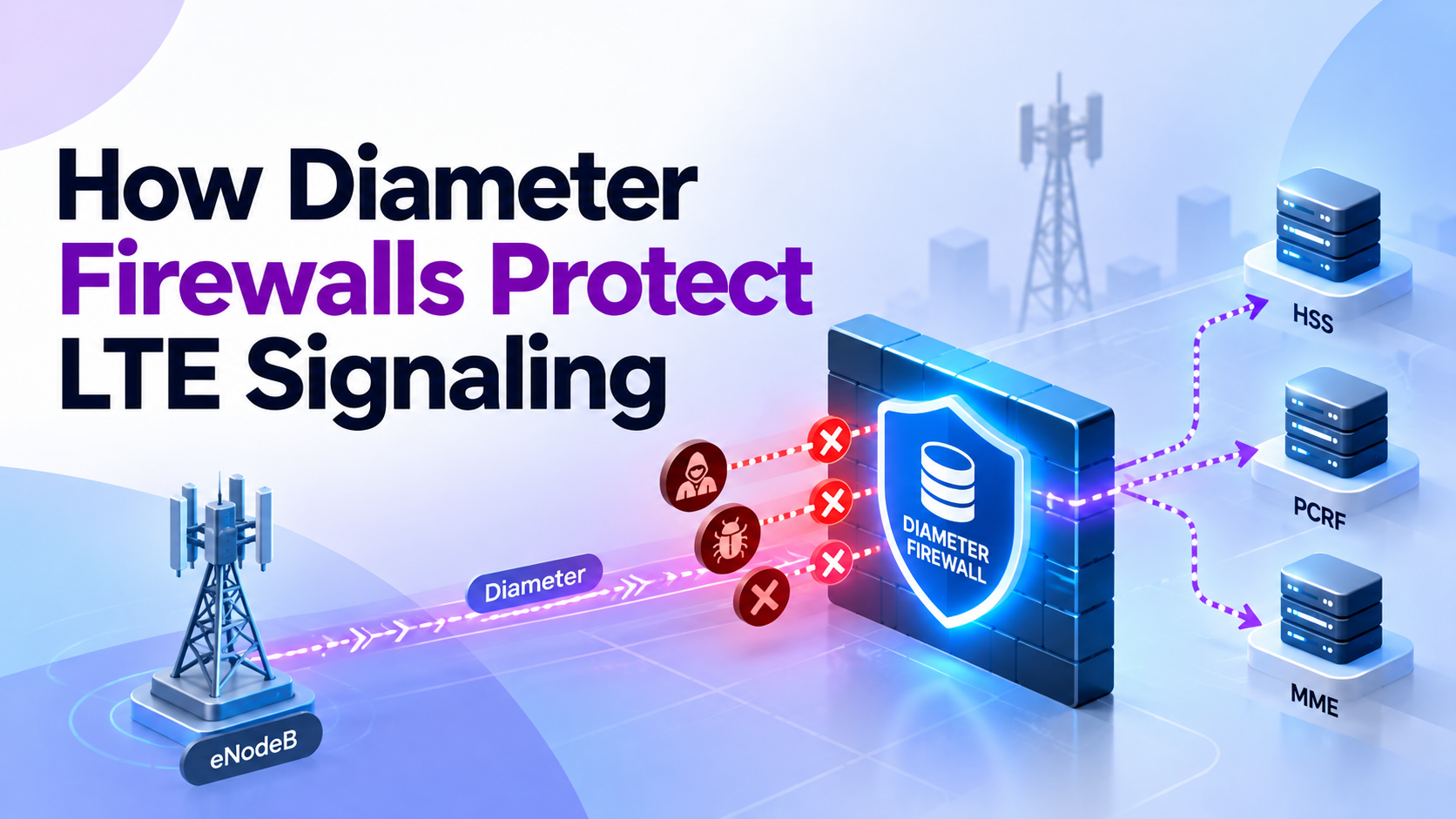
SS7 protection is still relevant in modern telecom environments because operators may continue to support legacy signaling alongside newer technologies.
A typical multi-generation environment can include:
A broader signaling security strategy should therefore consider how different generations interact and where security controls should be implemented.
Operators can explore How to Build a Signaling Security Strategy for 2G, 3G, 4G, and 5G Networks for a wider view of multi generation signaling protection.
An SS7 firewall works by bringing security controls directly into the telecom signaling path. It inspects signaling messages, validates their context, applies filtering policies, identifies suspicious behavior, and blocks or monitors traffic based on defined security rules.
Effective SS7 message filtering is particularly important because attackers can potentially abuse legitimate signaling functions to track subscribers, intercept SMS messages, access sensitive information, commit fraud, or disrupt services.
However, SS7 attack prevention should not depend on a firewall alone. Regular SS7 security testing, continuous monitoring, strong access controls, policy reviews, and ongoing assessment are necessary to ensure that signaling defenses remain effective as telecom networks evolve.
By combining a properly configured SS7 firewall with continuous security validation, telecom operators can strengthen protection of their signaling infrastructure while maintaining the availability and reliability of critical network services.