Blog
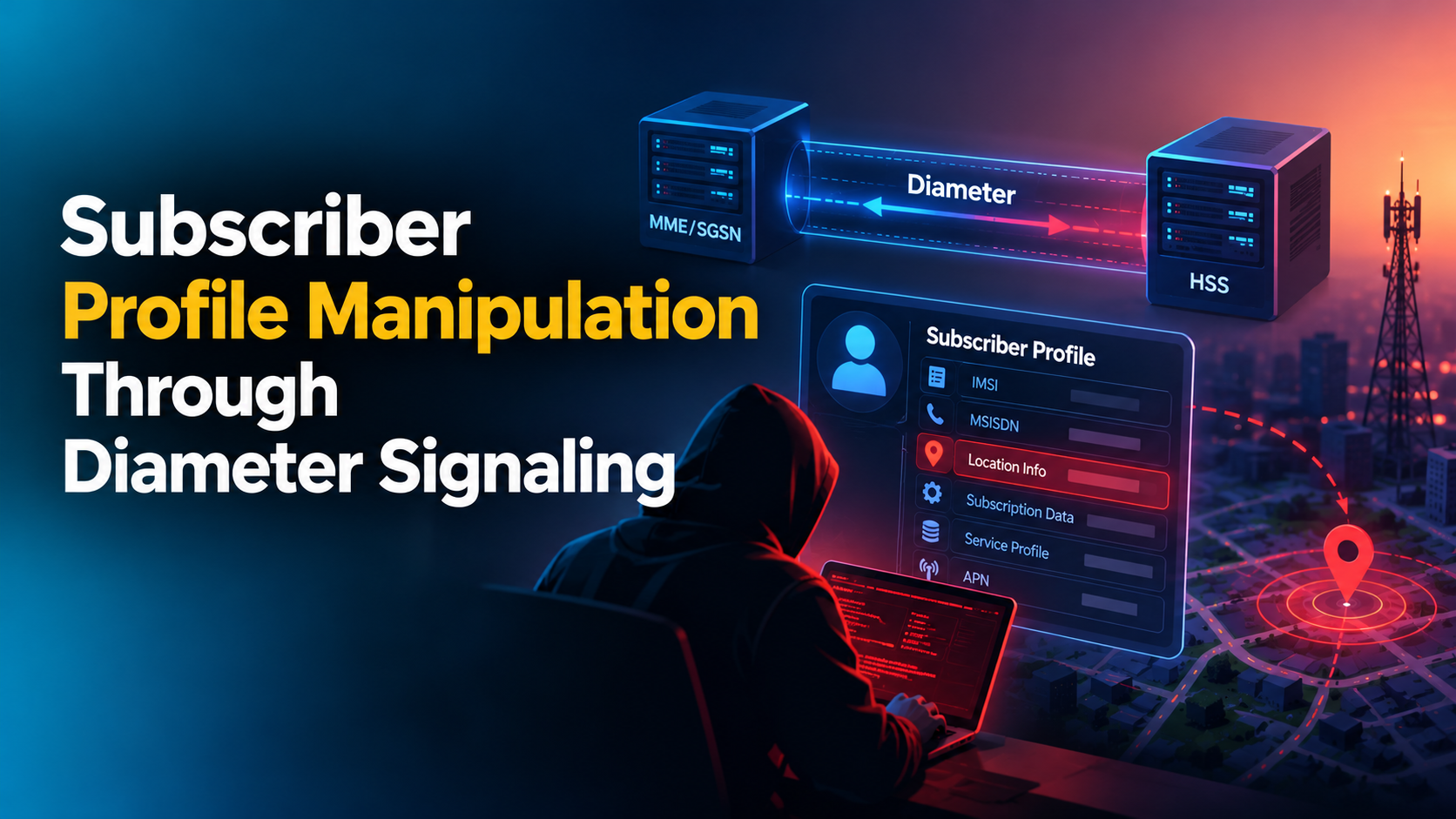

Subscriber profiles are fundamental to how mobile networks determine what services a subscriber can access, how authentication is performed, and how network policies are applied.
In 4G/LTE environments, Diameter signaling supports communication between important core network functions that access and exchange subscriber-related information. This makes Diameter security an important part of protecting subscriber profile integrity.
If an attacker gains unauthorized access to Diameter signaling or exploits weaknesses in trust relationships, filtering, access control, or message validation, they may attempt subscriber profile manipulation.
The consequences can extend beyond the signaling layer. Depending on the network architecture and the information involved, manipulation may affect authentication, service permissions, subscriber data security, and potentially privacy-related information.
This article explains how subscriber profile manipulation can occur through Diameter signaling, how it relates to Diameter authentication attacks, Diameter subscriber data security, Diameter location tracking, and location privacy, and what telecom operators can do to reduce the risk.
Subscriber profile manipulation refers to the unauthorized modification, abuse, or influence of information associated with a mobile subscriber's network profile.
A subscriber profile can contain or reference information used by network functions to determine how a subscriber is authenticated, authorized, and served.
Depending on the network architecture, subscriber-related information may influence:
The exact data and functions vary by network and Diameter application.
The security objective is to ensure that only authorized network functions can access or modify subscriber-related information.
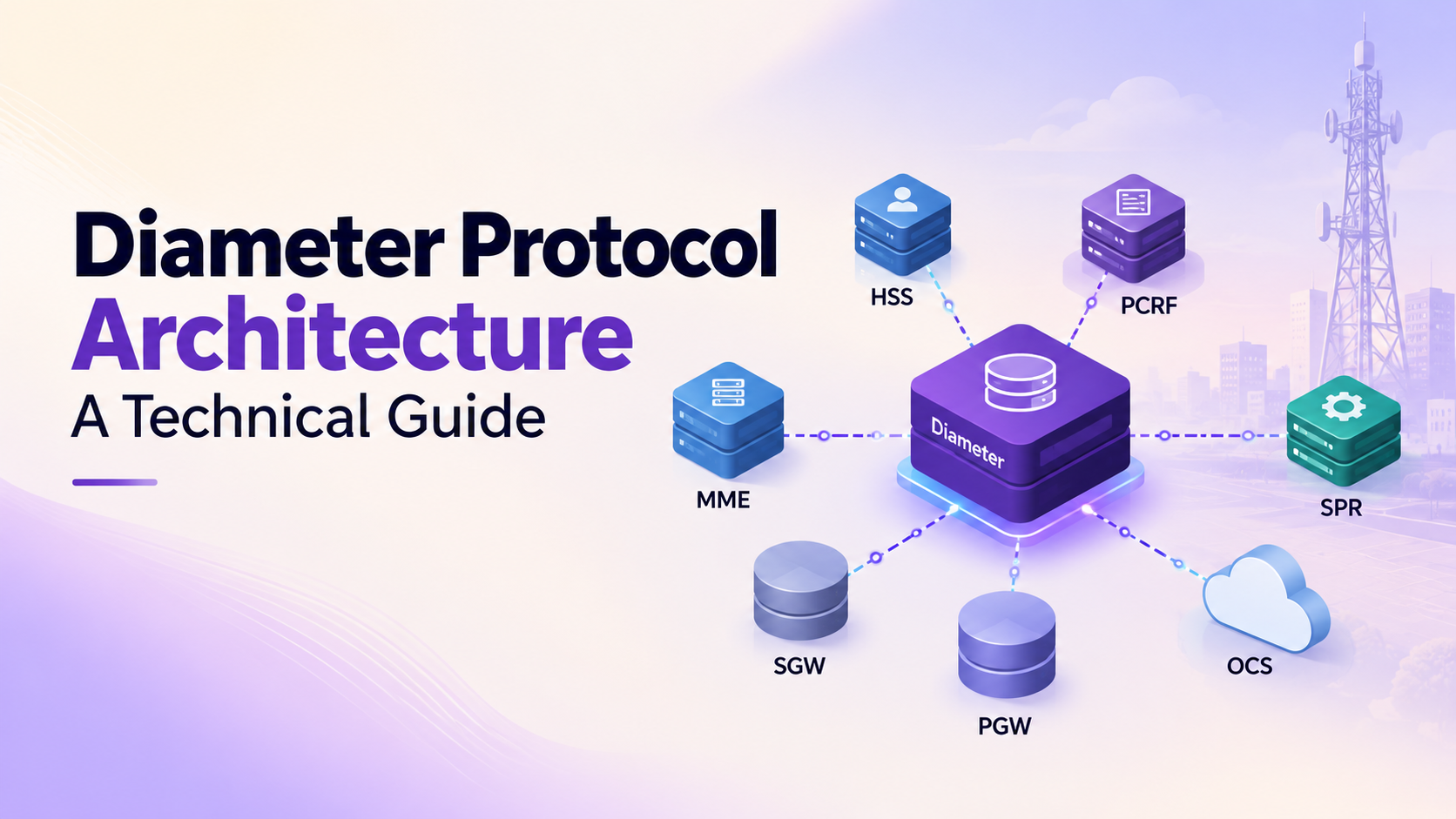
Diameter provides signaling communication between network elements in the LTE core.
For example, the S6a interface enables communication between the MME and HSS. The HSS maintains important subscriber-related information, while the MME uses Diameter signaling to exchange information required for authentication and mobility procedures.
A simplified relationship is:
Subscriber → LTE Network → MME → Diameter/S6a → HSS
The Diameter signaling path therefore becomes an important security boundary.
If an unauthorized party can influence this communication, the risk is not necessarily limited to the signaling message itself. It could potentially affect how subscriber-related information is requested, processed, or applied.
Several security weaknesses can increase the risk.
1. Unauthorized Diameter Peers
If an unauthorized system can establish a Diameter connection, it may gain access to signaling that should be restricted.
Strong peer authorization is therefore a foundational part of Diameter subscriber data security.
2. Excessive Trust
External or roaming peers may require legitimate access to specific Diameter applications.
However, granting broader access than necessary can increase the potential attack surface.
Each peer should have clearly defined permissions based on its legitimate business and network requirements.
3. Weak Message Validation
Diameter messages contain commands and Attribute-Value Pairs (AVPs).
If incoming messages are not appropriately validated, unexpected or manipulated information may reach sensitive network functions.
4. Weak Filtering
Without application-aware filtering, unnecessary or unauthorized Diameter requests may pass through signaling boundaries.
A Diameter firewall can help restrict traffic according to approved peers, applications, commands, destinations, and selected AVPs.
5. Poor Routing Controls
Improper routing can expose Diameter traffic to network elements that should not receive it.
Routing restrictions are therefore important for protecting subscriber-related signaling.
The impact depends on what information an attacker can access or influence.
Potential consequences may include:
Authentication Problems
If authentication-related subscriber information is incorrectly modified or abused, legitimate authentication procedures could fail or behave unexpectedly.
Service Disruption
Incorrect profile information could potentially cause subscribers to receive incorrect service permissions or experience service interruptions.
Unauthorized Service Access
If service-related information is manipulated, an attacker could potentially attempt to influence how network functions authorize services.
Subscriber Data Exposure
Unauthorized access to profile information can create confidentiality risks and contribute to broader Diameter subscriber data security concerns.
Privacy Risks
Subscriber information can sometimes be combined with mobility or network signaling data. This creates potential concerns around Diameter location tracking and location privacy.
Diameter authentication attacks can overlap with subscriber profile security because authentication relies on subscriber-related information.
Potential attack scenarios may involve:
Operators should therefore monitor authentication behavior rather than treating authentication and profile security as completely separate areas.
Unexpected authentication patterns can sometimes provide an early indicator of signaling abuse.
Protecting subscriber profiles requires more than securing the database where the information is stored.
Diameter subscriber data security should cover the complete path through which subscriber-related information is requested, exchanged, processed, and applied.
Operators should consider:
This approach helps protect both the confidentiality and integrity of subscriber information.
Subscriber profiles and mobility signaling can be related to information about where a subscriber is connected to the network.
This creates potential Diameter location tracking concerns if unauthorized parties gain access to relevant signaling.
For example, repeated signaling observations could potentially help infer:
The precise level of information depends on the network implementation and the attacker's access.
Location privacy requires operators to carefully control who can access mobility-related information.
Important controls include:
Location-related information should not be exposed simply because a system has some legitimate access to Diameter signaling.
1. Maintain Strong Peer Authorization
Only approved Diameter peers should be allowed to communicate with protected network functions.
2. Apply Least Privilege
Each peer should receive only the access required for its approved Diameter applications and functions.
3. Validate Messages and AVPs
Incoming Diameter messages should be validated according to applicable application and network requirements.
4. Deploy Appropriate Firewall Controls
A Diameter firewall can help enforce signaling policies at important trust boundaries.
5. Restrict External Signaling
Roaming, IPX, and interconnect traffic should be subject to clearly defined security policies.
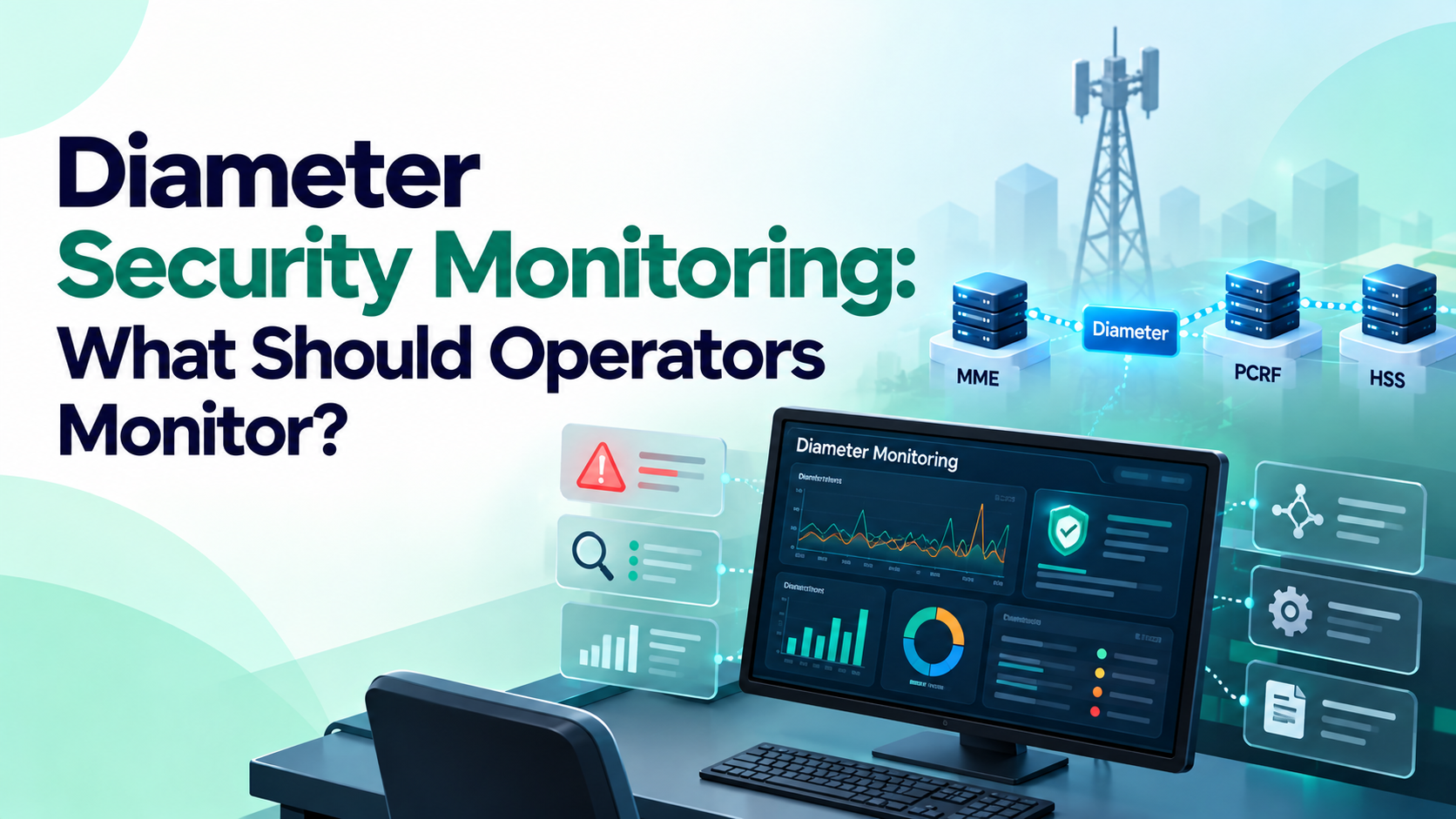
6. Monitor Subscriber-Related Activity
Operators should establish normal signaling patterns and investigate unusual requests or changes.
7. Protect Profile Integrity
Changes to subscriber-related information should be authorized, controlled, logged, and monitored.
8. Conduct Regular Security Testing
Security testing should validate whether profile-related signaling controls can withstand realistic attack scenarios.
Monitoring can help identify potential profile manipulation or related abuse.
| Monitoring Area | Indicators |
|---|---|
| Diameter peers | Unexpected or unauthorized connections |
| Authentication | Unusual request volumes or failures |
| Subscriber requests | Abnormal query patterns |
| AVPs | Unexpected or manipulated values |
| Routing | Unusual destinations |
| Profiles | Unexpected changes or access |
| Firewall | Rejected or suspicious requests |
| Traffic Monitoring should correlate multiple events rather than treating every unusual event as an attack. How Security Testing HelpsA controlled Diameter security assessment can help determine whether subscriber profile protections actually work. Testing may examine:
Testing should be performed in controlled environments or against approved test subscribers and systems to avoid impacting live users. Subscriber Profile Security ChecklistOperators should verify that:
ConclusionSubscriber profile manipulation is an important Diameter security concern because subscriber profiles influence authentication, authorization, services, and other core network functions. Weak peer authorization, excessive trust, poor filtering, inadequate message validation, and insecure interconnects can create opportunities for unauthorized interaction with subscriber-related signaling. The risk also extends into broader Diameter subscriber data security, Diameter authentication attacks, Diameter location tracking, and location privacy. Telecom operators should therefore adopt a layered approach that combines strict peer controls, least-privilege access, message and AVP validation, Diameter firewall protection, monitoring, secure interconnects, and regular security testing. Protecting subscriber profiles is ultimately about protecting both the integrity of network services and the confidentiality and privacy of subscriber information. Recent Post4G 5G Core Network Security GTP Signaling Vulnerabilities Vulnerability Assessment 4G 5G Signaling Security Diameter Signaling Security Testing Network Resilience 4G 5G Core Network Security Diameter Telecom Protocol Security 5G Security 2G 3G Signaling Security SS7 Signaling Vulnerabilities Subscriber Privacy Protection 4G 5G Telecom Security Testing GTP Telecom Network Security Testing Telecom Compliance & Standards Frequently Asked QuestionsWhat is Diameter location tracking?How can operators prevent subscriber profile manipulation?Can a Diameter firewall prevent profile manipulation?What should operators monitor for profile manipulation?How does Diameter security testing identify profile risks? 5130/6020 Marvel Fuego, Opp Seasons Mall, Magarpatta,Hadapsar, Pune , MH, India, 411028.     |