Blog
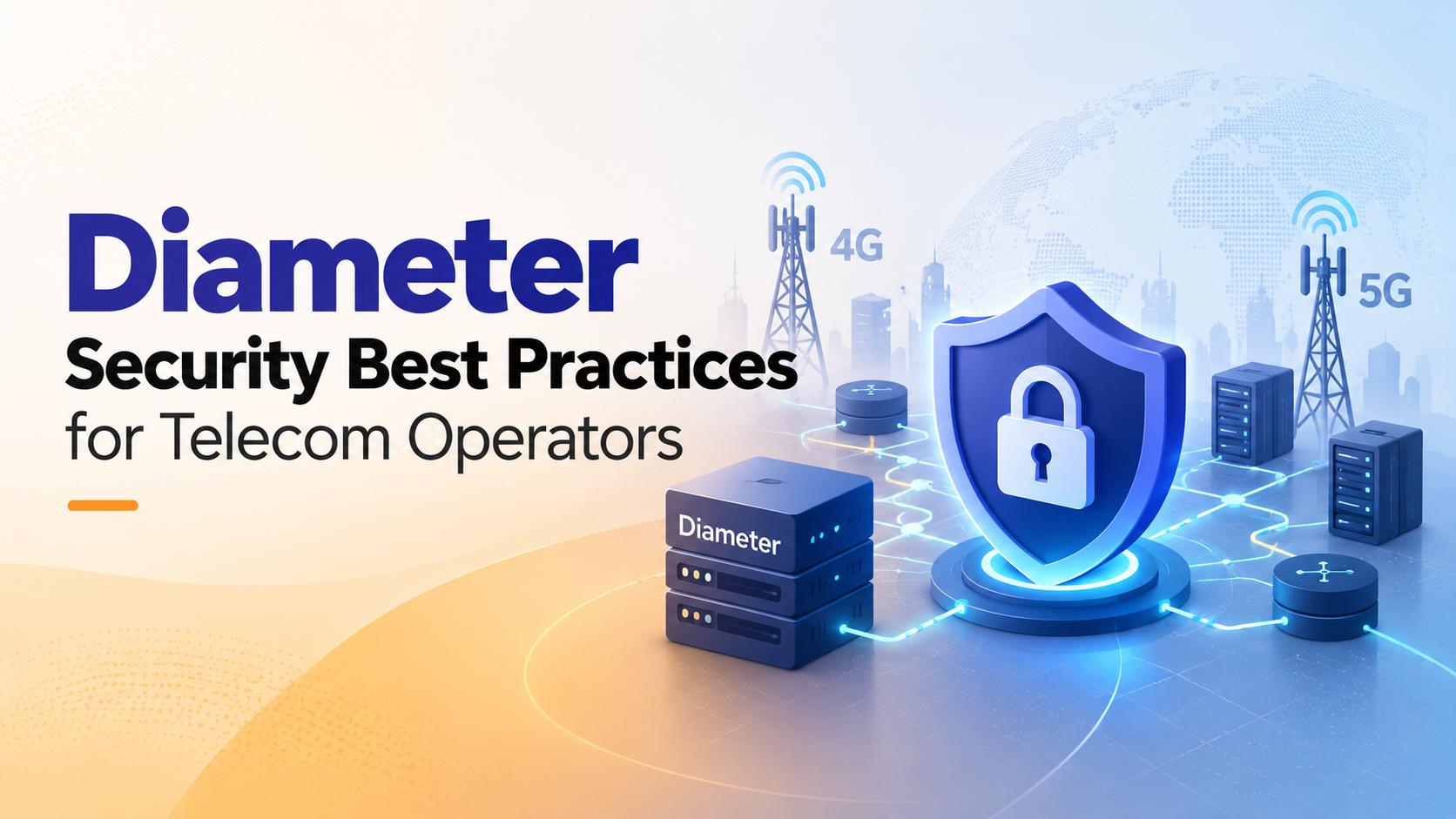

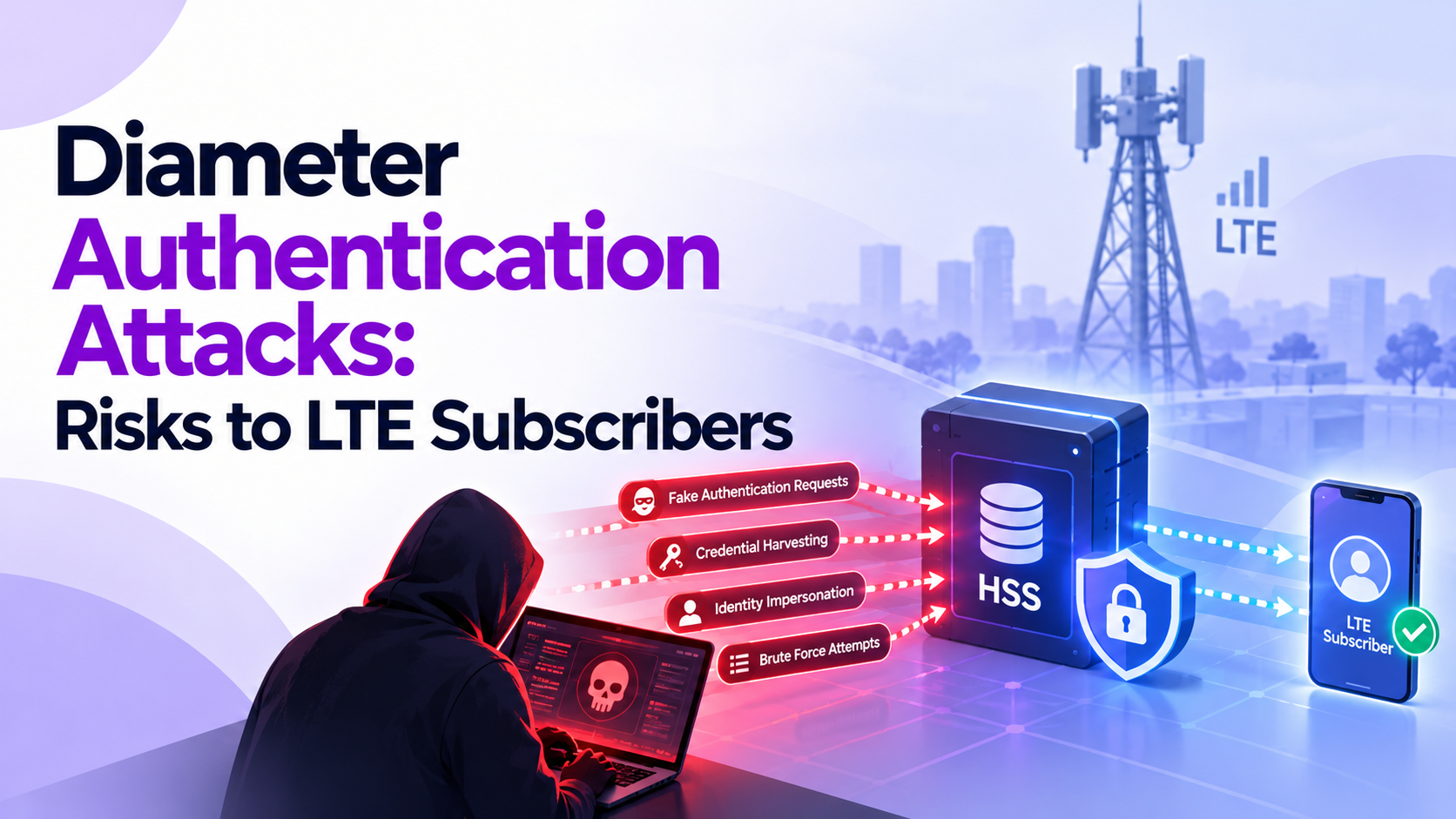
Diameter is a critical signaling protocol in 4G/LTE networks. It supports authentication, subscriber management, mobility, policy control, charging, and communication between network functions. Because Diameter traffic can carry sensitive subscriber and network information, protecting Diameter infrastructure is an important part of telecom security.
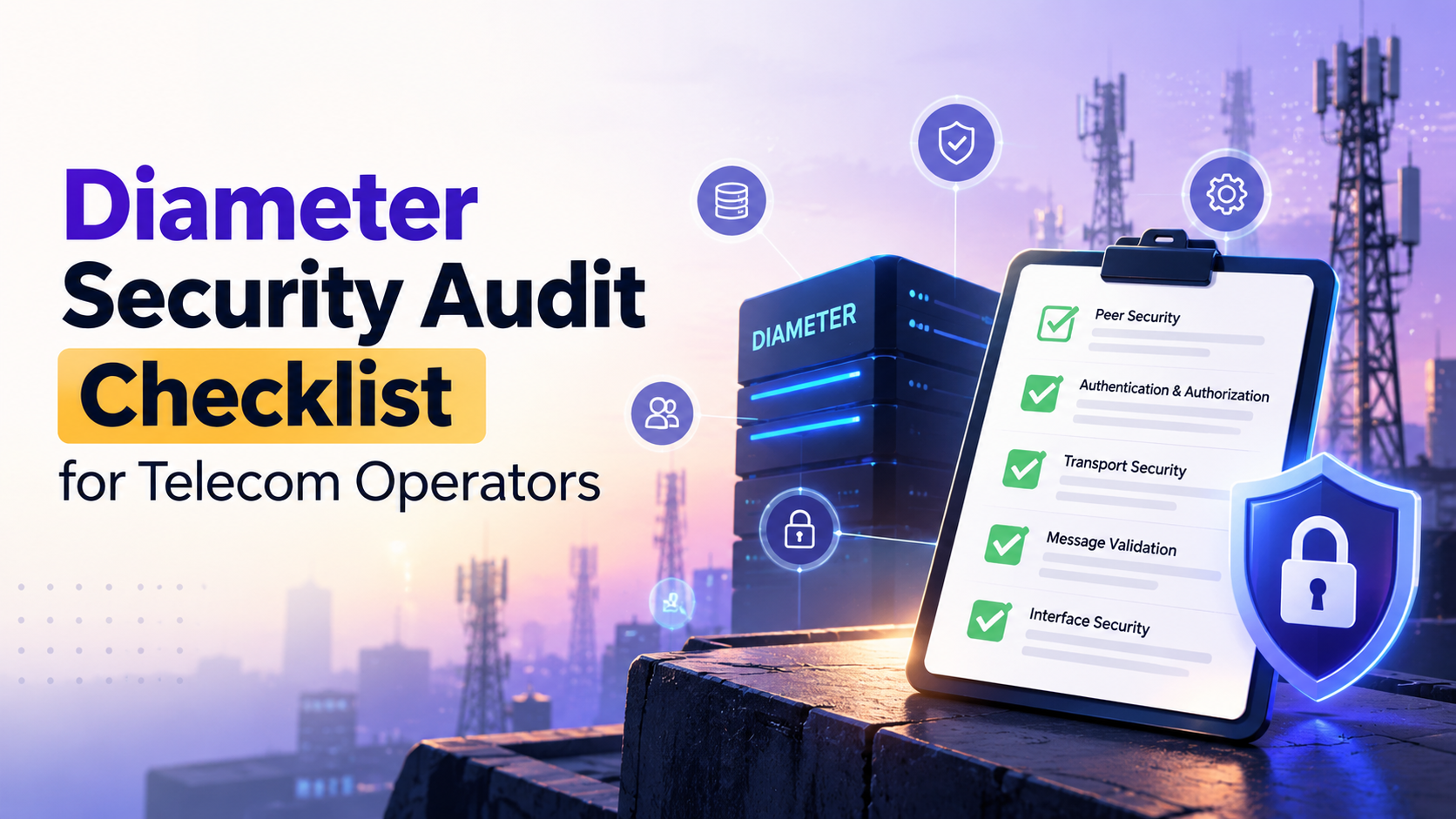
A strong Diameter security strategy should go beyond deploying a firewall. Operators need multiple layers of protection, including peer authorization, traffic filtering, message validation, routing controls, monitoring, and regular security testing.
This guide explains practical Diameter security best practices, including how Diameter firewall security and Diameter security monitoring can help protect signaling infrastructure.
Diameter was designed for communication between trusted network elements. However, modern telecom environments are increasingly interconnected.
Diameter traffic may cross:
This broader connectivity can increase the attack surface.
Potential risks include:
The objective of Diameter security is therefore to ensure that only authorized systems can communicate, messages are properly validated, traffic is appropriately filtered, and suspicious activity can be detected quickly.
One of the most important Diameter security best practices is controlling which systems are allowed to communicate with Diameter infrastructure.
Operators should maintain an inventory of authorized Diameter peers and verify:
Unknown or unauthorized peers should not be allowed to establish Diameter communication.
This becomes especially important for roaming and interconnect environments where Diameter traffic can originate outside the operator's direct network.
A Diameter firewall provides an important security layer between trusted Diameter infrastructure and external or less-trusted signaling environments.
A properly configured Diameter firewall can help operators:
However, simply deploying a Diameter firewall does not automatically provide effective protection.
Diameter firewall security depends heavily on configuration, filtering policies, application awareness, and continuous monitoring.
Firewall rules should therefore be aligned with the operator's network architecture and expected signaling behavior.
Diameter messages contain Attribute-Value Pairs (AVPs) that carry information such as identity, routing, session, authentication, and application-specific data.
Operators should validate Diameter messages and relevant AVPs before allowing traffic to reach sensitive network elements.
Security controls should consider:
This can reduce the opportunity for attackers to exploit weaknesses in Diameter implementations.
Diameter routing determines where signaling messages are sent.
Poor routing configuration can create unnecessary exposure or allow traffic to reach systems that should not receive it.
Operators should review:
Routing policies should follow the principle of least privilege: Diameter traffic should only reach the network elements required for the intended application.
Certain Diameter interfaces are particularly important because they support core network functions.
For example, S6a enables communication between the MME and HSS in LTE networks.
Security controls should consider interfaces such as:
Each interface should be evaluated based on its purpose, trusted peers, applications, traffic patterns, and security requirements.
A strong security architecture needs visibility.
Diameter security monitoring helps operators identify abnormal signaling activity and investigate potential threats.
Monitoring should provide visibility into areas such as:
Monitoring becomes particularly valuable when combined with alerting.
For example, a sudden increase in requests from an unexpected peer could indicate misconfiguration, abuse, or an attempted denial-of-service attack.
Operators should establish baseline signaling behavior and identify deviations from normal activity.
Potential indicators include:
A monitoring solution should help security teams distinguish normal signaling behavior from potentially malicious activity.
Diameter security becomes particularly important when signaling crosses organizational boundaries.
Roaming and interconnect environments can involve multiple operators, IPX providers, DEAs, and network domains.
Operators should implement controls for:
A trusted relationship between operators should not automatically mean unrestricted access to Diameter infrastructure.
Diameter security should follow the principle of least privilege.
Each Diameter peer should have access only to the applications and resources required for its intended purpose.
For example, a peer authorized for one Diameter application should not automatically receive access to unrelated applications.
This limits the potential impact of a compromised or misconfigured peer.
Operators should implement appropriate security mechanisms to protect communication between Diameter peers.
Depending on the network design, security controls may include transport-layer protection and strong peer authentication.
The objective is to reduce the risk of:
Transport protection should be considered alongside application-level filtering rather than treated as a replacement for it.
Configuration-based controls should be supported by regular security testing.
A Diameter security assessment can evaluate whether implemented controls actually work as intended.
Testing can include:
Testing should be performed in a controlled environment or against approved test subscribers and systems to avoid impacting live subscribers.
Diameter security is not a one-time activity.
Network architecture, roaming relationships, Diameter peers, applications, firewall policies, and software versions can change over time.
Operators should therefore periodically review:
This helps ensure that security controls remain aligned with the current network environment.
Strong Diameter security best practices require multiple layers of protection across the signaling environment.
A Diameter firewall can provide an important control point for filtering and controlling signaling traffic, but it should operate as part of a broader security strategy. Effective Diameter firewall security should be supported by peer authorization, message validation, routing controls, access restrictions, and secure transport.
At the same time, Diameter security monitoring gives operators the visibility needed to identify abnormal signaling behavior and investigate potential threats.
For telecom operators, the goal should be continuous protection rather than relying on a single security product or configuration. Combining preventive controls, monitoring, and regular Diameter security testing can help build a more resilient LTE signaling environment.