Blog
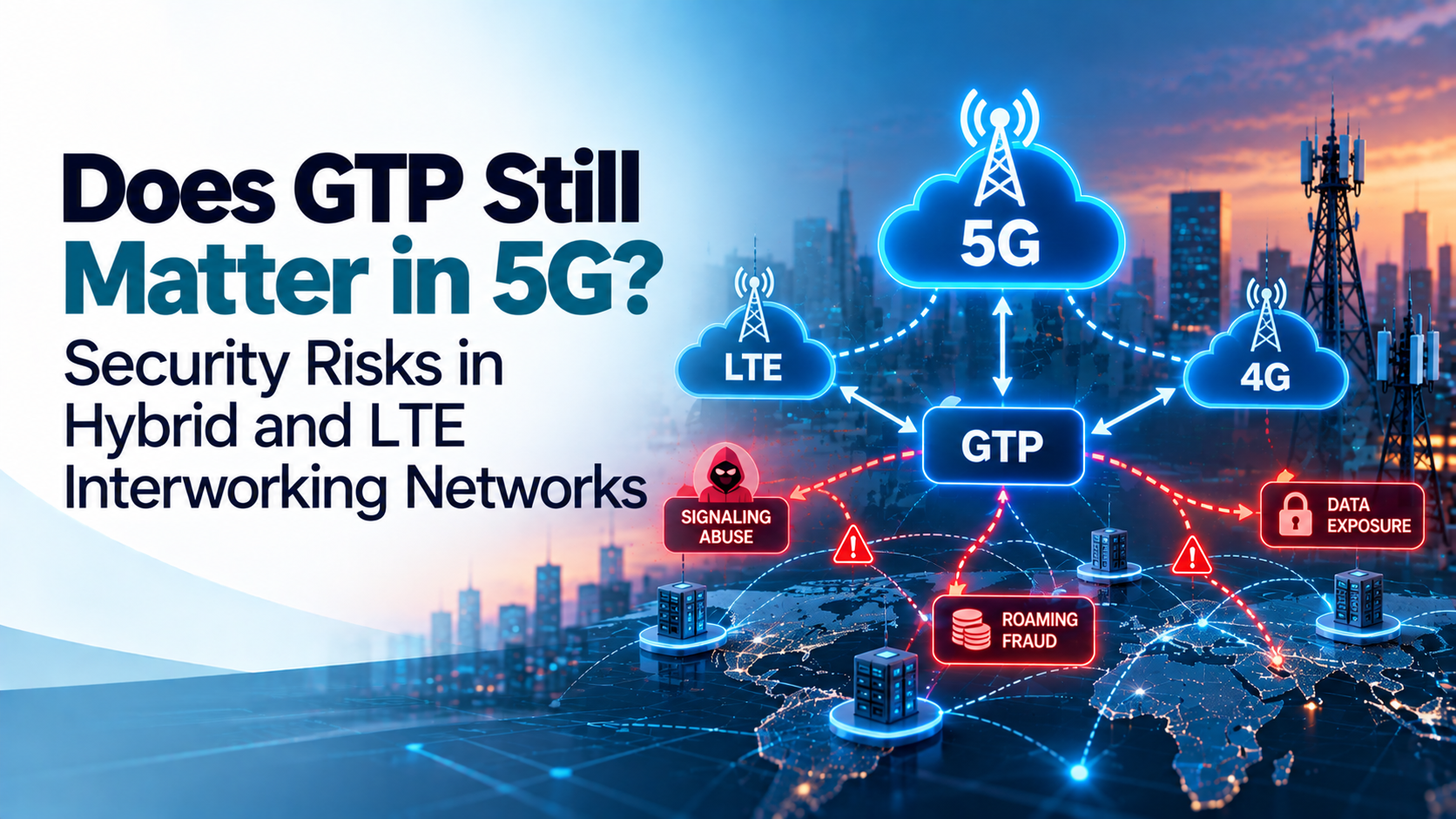

The rollout of 5G has introduced new network architectures, cloud-native infrastructure, and advanced connectivity services. However, the transition from LTE to 5G is not always a complete replacement of existing technology. Many operators continue to run hybrid environments in which LTE infrastructure, 5G New Radio, roaming connections, and legacy network components work together.
This makes GTP security in 5G an important consideration for telecom operators. GPRS Tunnelling Protocol (GTP) continues to support data transport and session management on applicable mobile network interfaces. Understanding where GTP is used, how it interacts with LTE and 5G architectures, and which security controls are needed helps operators protect their networks during the transition.
Yes. GTP remains relevant in LTE networks and in certain 5G deployments, although its role depends on the network architecture.
In 5G Non-Standalone (NSA), operators can use 5G radio access alongside an LTE-based core architecture. GTP-based interfaces remain part of relevant LTE core functions and associated data paths.
GTP also operates on applicable interfaces in some 5G architectures. However, not every 5G interface uses GTP, and operators should not assume that all 5G deployments have the same protocol requirements.
Two components are particularly important:
Because these functions support connectivity and session handling, poorly protected GTP interfaces can introduce security risks even when an operator has already deployed 5G technology.
Hybrid networks often contain a mix of technologies, vendors, interfaces, and operational processes. This complexity can make it harder to maintain consistent security policies.
Three areas deserve particular attention.
A 5G NSA deployment may depend on LTE core functions and associated GTP interfaces. A security weakness in an underlying component or interface may therefore affect services that form part of the wider 5G experience.
Operators should map actual traffic flows and identify which GTP interfaces remain active instead of assuming that migration to 5G has removed legacy exposure.
Mobile networks exchange traffic with external partners through interconnection arrangements, including GRX and IPX environments. These connections require clear trust boundaries, authorized-peer controls, and appropriate traffic filtering.
A partner connection should not automatically be treated as safe. Operators need to validate traffic crossing their network boundaries and ensure that security policies reflect the intended services and interfaces.
Network upgrades, new roaming partners, vendor changes, and service migrations can leave outdated firewall rules or unnecessary access permissions in place.
Regular configuration reviews and security assessments help operators detect these gaps before they become operational or security incidents.
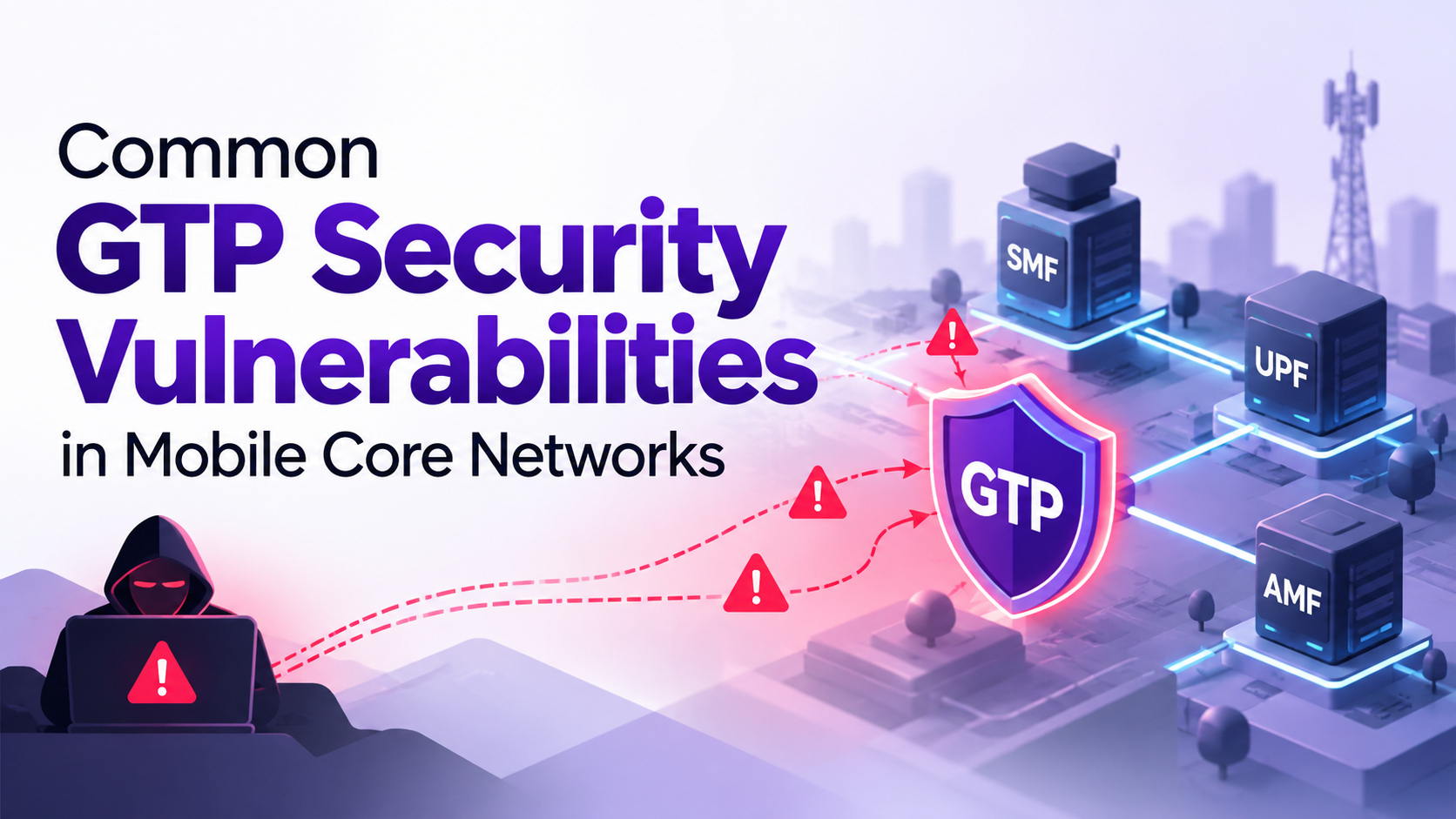
GTP vulnerabilities in 5G depend on the deployed architecture, interface exposure, implementation, and existing controls. Common areas of concern include:
These risks do not mean that GTP is inherently insecure or that every GTP deployment is vulnerable. They highlight why operators need to test their specific environments and validate the effectiveness of deployed controls.
A practical approach to GTP security in 5G should combine network restrictions, protocol-aware inspection, and continuous monitoring.
A GTP-aware firewall can inspect protocol-specific messages and apply rules based on message types, interface context, and configured policies.
Operators should review permitted message types, source addresses, tunnel-related information, and relevant protocol fields. Filtering should be tested carefully to avoid blocking legitimate traffic or disrupting roaming and data services.
Maintain an inventory of authorized network elements, interfaces, and roaming partners. Use appropriate access controls and allowlists, and remove obsolete rules when network architecture changes.
Peer authorization should be supported by suitable protocol validation rather than relying only on the source IP address.
For applicable user-plane interfaces, review tunnel endpoint restrictions, traffic filtering, and controls against unexpected traffic. Confirm that the implementation matches the deployed architecture and the security requirements for the relevant interface.
GTP-U security should complement wider network segmentation, infrastructure hardening, and access-control practices.
Monitor traffic for unexpected peers, invalid messages, unusual signaling rates, and deviations from normal behavior. Preserve useful logs and define clear procedures for investigation and incident response.
Where appropriate, correlate findings with operational data to distinguish genuine security events from legitimate network changes.
A GTP security assessment should examine exposed interfaces, firewall rules, peer validation, message handling, configurations, and monitoring effectiveness.
Assessments should be authorized and coordinated with network operations teams. Findings should be documented, prioritized, remediated, and retested to confirm that identified weaknesses have been addressed.
The GSMA publishes technical security guidance to help operators understand threats and select suitable countermeasures. GSMA FS.20 is a relevant reference for GTP security, while FS.37 provides dedicated guidance on GTP-U security.
Operators can use these GSMA GTP security guidelines alongside applicable GTP security standards, vendor documentation, and internal security requirements to review firewall policies, interconnection controls, and network configurations.
These guidelines support security improvement but do not, by themselves, establish telecom security compliance. Operators must also consider their applicable obligations, implementation evidence, and the effectiveness of their wider security controls.
For more information, consult the GSMA FS.20 GTP Security guidance and the GSMA FS.37 GTP-U Security resource.
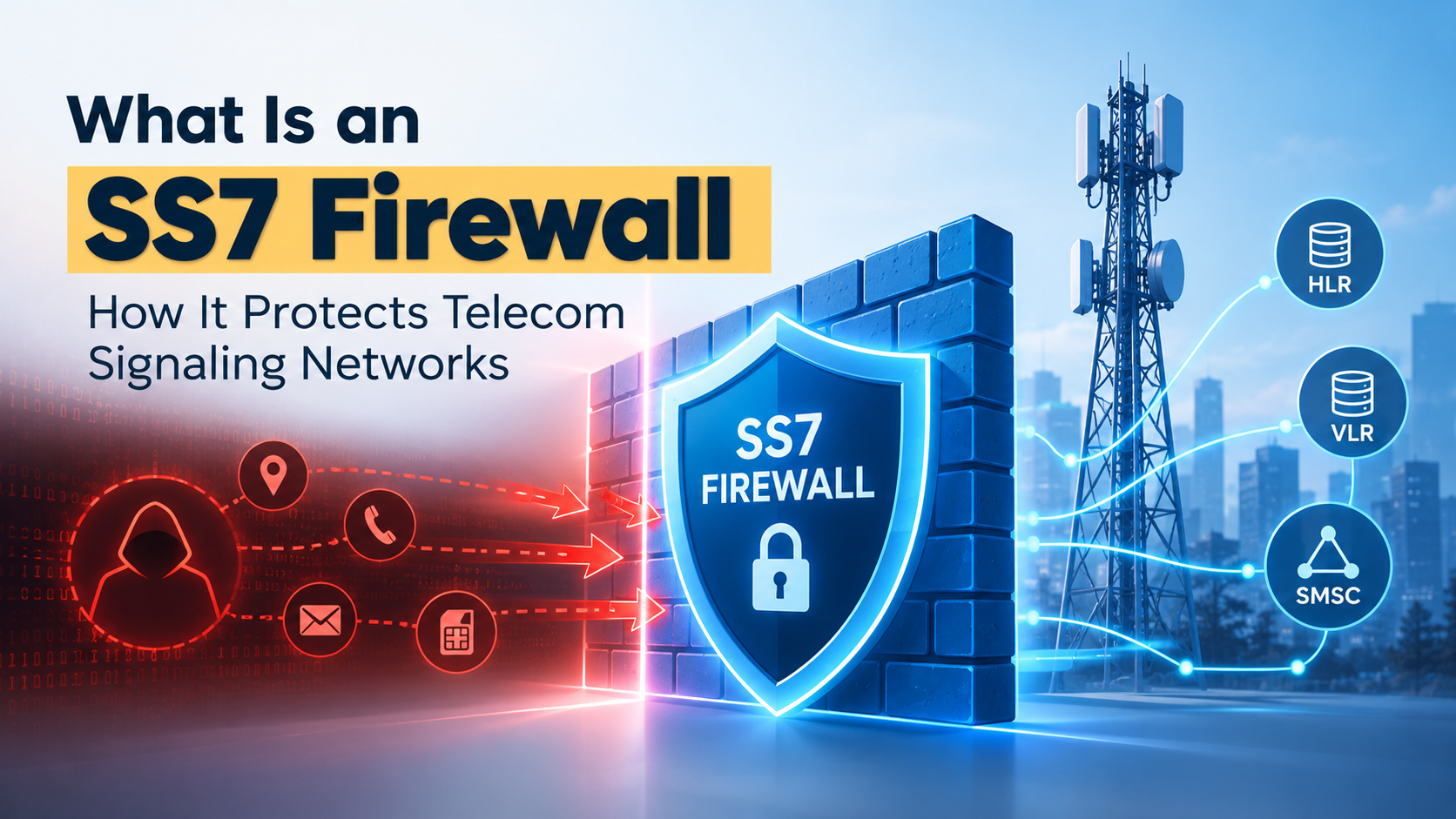
GTP is only one part of the telecom signaling environment. Operators may also use SS7 and Diameter, which have different roles and security requirements.
SS7 vs GTP security is a comparison between protections for legacy signaling procedures and protections for GTP-based tunneling and session functions. Similarly, Diameter vs GTP highlights the difference between securing authentication, policy, and related signaling exchanges and protecting GTP traffic.
Diameter security and SS7 security therefore require their own protocol-specific controls. A complete 5G mobile core security strategy should identify the protocols and interfaces actually deployed and assess the relevant risks across their trust boundaries.
To explore practical testing options, visit Matrix Shell’s Signaling Security Testing service or read GTP Security Testing Explained.
GTP still matters in 5G because LTE dependencies, NSA deployments, roaming arrangements, and applicable 5G interfaces continue to rely on it. The key is to understand where GTP operates in the actual network and protect those interfaces accordingly.
By applying GTP firewall controls, restricting access to trusted peers, strengthening GTP-U security, monitoring signaling activity, and conducting regular security assessments, telecom operators can reduce exposure across hybrid environments. A protocol-aware approach also helps ensure that GTP protection forms part of a broader telecom signaling security strategy.