Blog


Mobile networks rely on multiple protocols to connect subscribers, manage data sessions and deliver internet services. One of the most important is the GPRS Tunnelling Protocol (GTP), which supports control signaling and user-data transport across several mobile network architectures.
Understanding GTP in 4G LTE helps telecom operators identify how subscriber traffic moves through the mobile core, where signaling takes place and which interfaces require security controls. GTP also remains relevant to specified interfaces in 5G networks, making it an important consideration for operators managing modern and legacy infrastructure.
This article explains the role of GTP in telecom networks, the differences between GTP-C and GTP-U, GTPv1 and GTPv2, and the importance of GTP security testing.
GPRS Tunnelling Protocol is a family of protocols used to support packet-data communication in mobile networks. It enables network elements to exchange control messages and transport encapsulated user traffic through logical tunnels.
In simple terms, GTP helps mobile network elements manage data sessions and carry subscriber traffic between relevant endpoints.
The main components include:
These components have different responsibilities. As a result, GTP control plane security and GTP user plane security require different but complementary protections.
In 4G LTE, GTP is an important part of the Evolved Packet Core (EPC), which connects the radio access network to external packet-data networks.
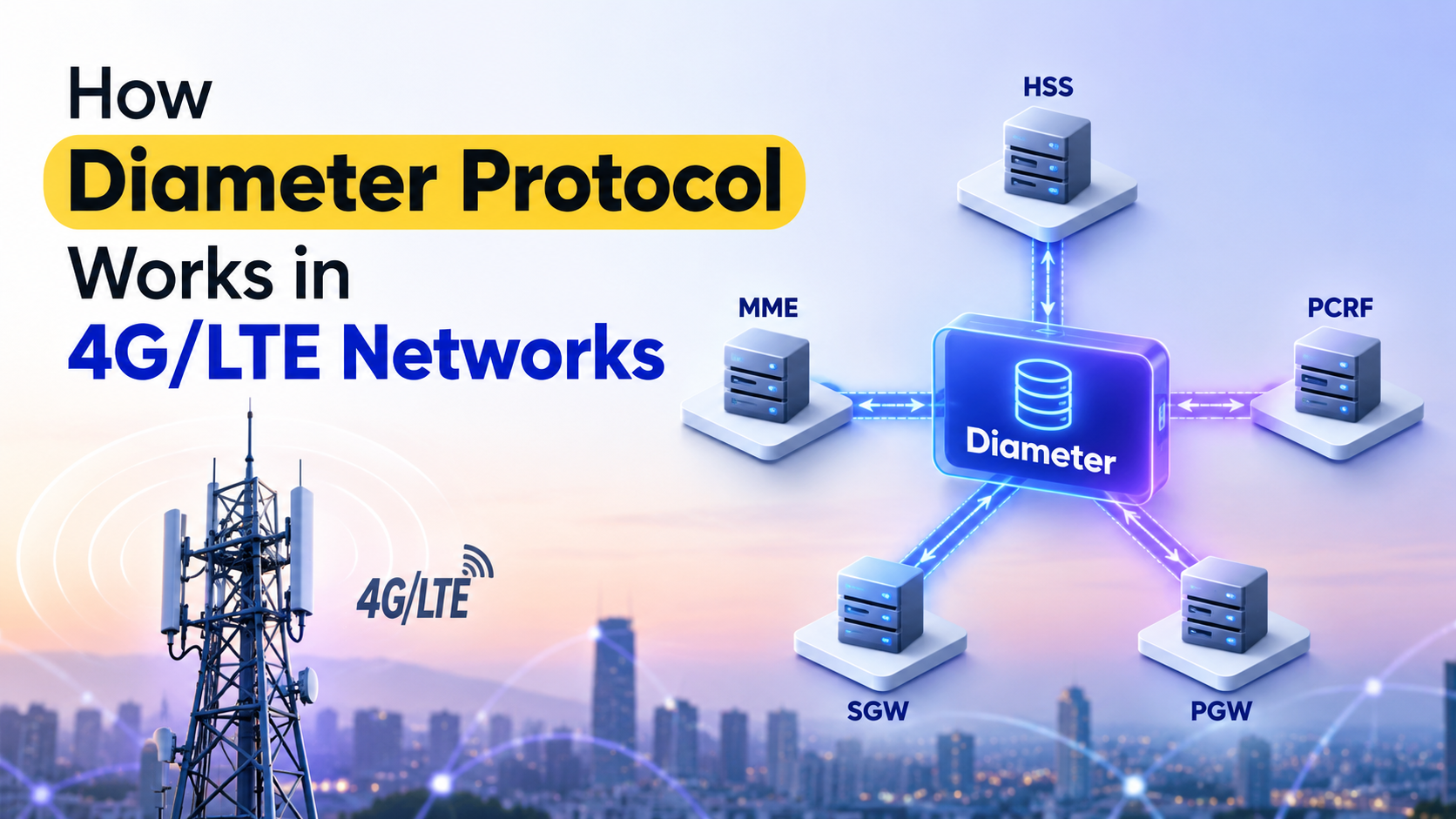
The architecture includes several key elements:
GTP supports communication between these elements through specific interfaces.
For example, S1-U carries user-plane traffic between the eNodeB and SGW. S11 supports control-plane signaling between the MME and SGW. S5/S8 supports communication between the SGW and PGW, with separate control-plane and user-plane functions.
This separation matters for security. Control signaling can influence session management, while user-plane tunnels carry subscriber traffic. An assessment must therefore consider both where they are deployed.
GTP-C and GTP-U work together, but they serve different purposes within the mobile core.
GTP-C messages help network elements establish, modify and release sessions. Weak validation or insufficient access controls can expose control-plane interfaces to unauthorized signaling.
Potential GTP-C vulnerabilities include improper message handling, insufficient peer restrictions and weaknesses in session-management procedures.
GTP-U carries subscriber data through tunnels. If tunnel endpoints or traffic sources are inadequately protected, attackers may attempt unauthorized traffic injection or exploit weaknesses in traffic handling.
GTP-U interface security therefore involves restricting permitted traffic sources, validating tunnel-related information, filtering unexpected packets and monitoring suspicious activity.
A robust assessment should evaluate each component according to its role rather than assuming that controls applied to one plane automatically protect the other.
GTPv1 and GTPv2 are relevant to different protocol functions and network contexts.
GTPv1 includes GTPv1-C for applicable legacy control-plane environments and GTPv1-U for user-plane tunneling.
GTPv2-C is used for control-plane procedures in the Evolved Packet System, including relevant LTE interfaces.
The distinction is important because GTPv2-C does not replace GTPv1-U as the standard user-plane protocol on those interfaces.
From a security perspective, GTPv1 vulnerabilities and GTPv2 vulnerabilities should be investigated in the context of the actual implementation. Operators should review deployed versions, interface exposure, message validation, access restrictions and configuration.
Simply identifying a protocol version is not enough to determine whether a network is secure.
GTP continues to be relevant to specified interfaces in 5G systems. In particular, GTP-U is used on interfaces such as N3, which connects the radio access network to the User Plane Function (UPF), and N9, which can connect UPFs.
However, not every 5G interface uses GTP. The 5G core includes service-based interfaces and other protocols for different functions, so the security assessment must reflect the actual architecture.
For operators running LTE and 5G environments together, GTP security in LTE and GTP in 5G networks should be assessed according to the interfaces, network functions and interworking arrangements in use.
This is particularly important where operators maintain legacy infrastructure, roaming connections or multiple generations of network technology.
GTP protocol security depends on effective controls across both control and user planes.
Common assessment areas include:
1. Exposed interfaces: Interfaces accessible from unauthorized networks or unnecessary communication paths can increase the attack surface.
2. Weak peer validation: Network elements should restrict signaling and user-plane traffic to authorized sources and expected communication relationships.
3. Message-handling weaknesses: Inadequate validation of GTP messages or session information may create opportunities for protocol misuse.
4. Insufficient traffic filtering: Incorrect or permissive filtering may allow traffic that does not match the expected network configuration.
5. Limited monitoring: Without suitable logs and anomaly detection, suspicious signaling or traffic patterns may go unnoticed.
These are potential risks rather than proof of an existing vulnerability. Their actual impact depends on the implementation, configuration and surrounding security controls.
GTP security testing helps operators determine whether their deployed protocol components and interfaces are adequately protected.
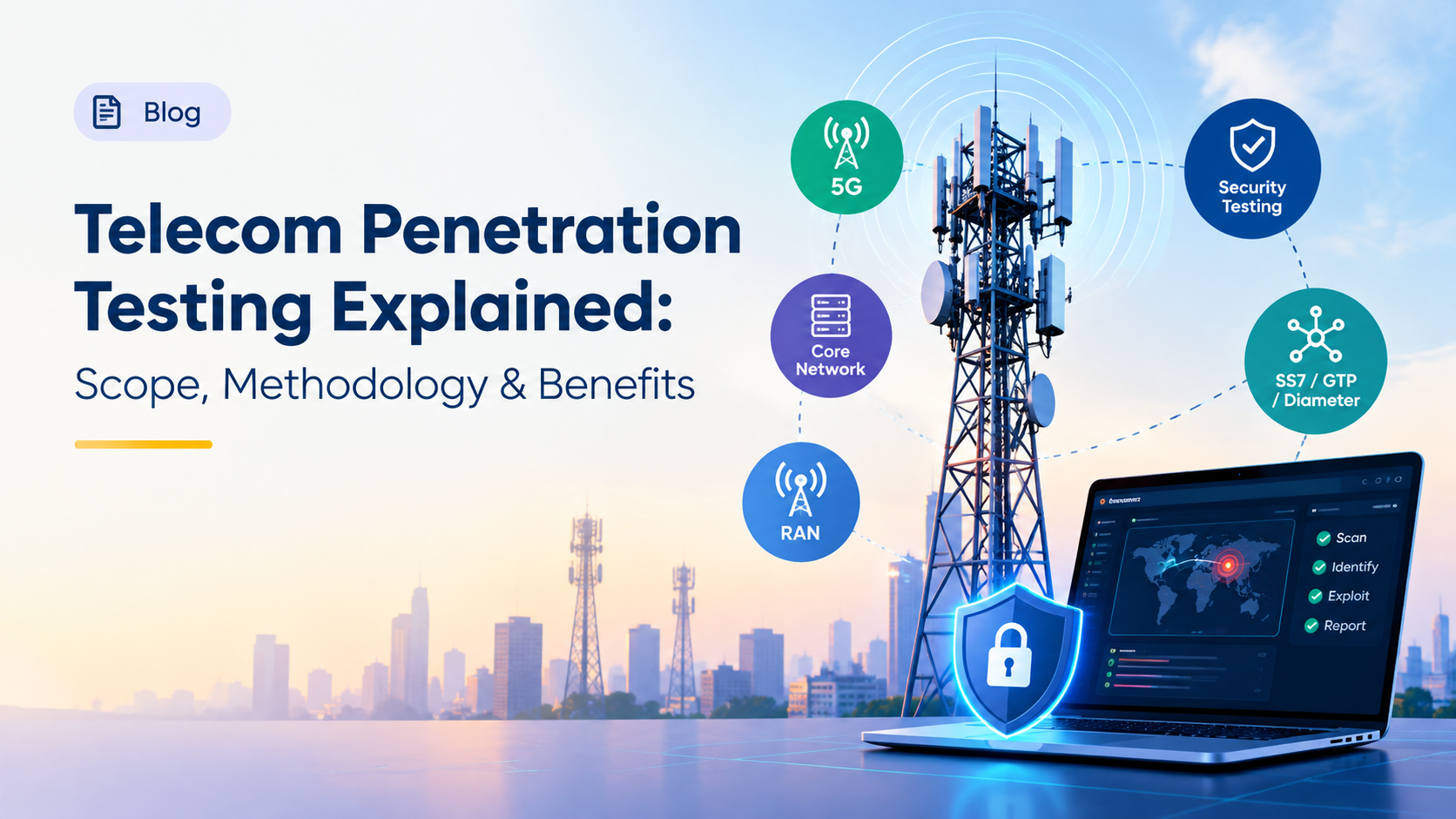
A structured assessment can include:
The assessment should explicitly cover GTP-C and GTP-U where applicable, including the relevant GTPv1 or GTPv2 control-plane implementations.
Testing should be authorized, carefully scoped and designed to minimize disruption to live subscriber services.
Matrix Shell's Signaling Security Testing service is a relevant starting point for operators looking to evaluate signaling-related risks across their mobile core infrastructure.
GTP is an important component of mobile network architecture, supporting session-related signaling and user-data transport. Understanding GTP in 4G LTE helps operators identify the role of GTP-C and GTP-U, the interfaces on which they operate and the security controls required to protect them.
GTP remains relevant to specified interfaces in 5G networks, making architecture-specific assessment important for operators managing evolving mobile infrastructure.
By evaluating interface exposure, peer authorization, message validation, tunnel handling and monitoring, operators can identify potential weaknesses and improve mobile core network security.
Strengthen your signaling security: Explore Matrix Shell's Signaling Security Testing services to learn more about assessing GTP-related risks.